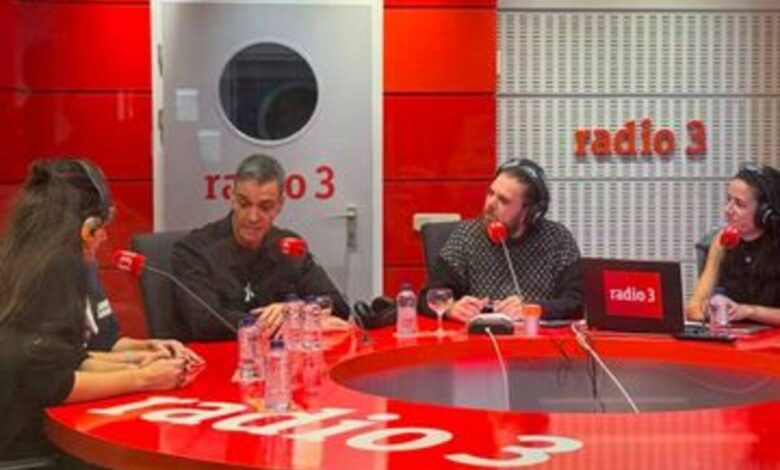
An unusual political debate has erupted in Spain: Rosalía’s new album has sparked the latest confrontation between the country’s two largest parties. Following the release of her record Lux, the singer’s popularity soared to new heights—and both the Socialists and their opponents from the Partido Popular wasted no time capitalizing on this.
Prime Minister Pedro Sánchez made a surprise appearance on a youth radio station, where he shared his musical tastes and admitted to having listened to Rosalía’s new album in full. Many viewed this as an attempt to connect with young voters, who closely follow the artist’s work. However, his political rivals didn’t stand aside and were quick to turn the singer’s popularity against the head of government.
Miguel Tellado, secretary-general of the Partido Popular, recommended that Sánchez pay special attention to one of the tracks on Lux—La Perla. According to him, many Spaniards associate the song’s lyrics with the prime minister himself. The lyrics contain rather harsh descriptions that the opposition eagerly uses in their statements. On social media, PP even posted excerpts from the song, hinting at traits they believe Sánchez embodies.
Music as a political instrument
The use of popular culture in political battles is nothing new for Spain, but this time the situation has taken on a unique scale. Rosalía, whose songs have long transcended music charts, has unexpectedly found herself at the center of political debate. Supporters and critics of the government are arguing about who the lyrics of La Perla are really aimed at, and whether it is appropriate to use the artist’s work for political purposes.
Sánchez’s party, in turn, did not stay on the sidelines and also tried to leverage the singer’s popularity to boost its own image. Looking back at last year’s election campaigns, when the prime minister actively appeared on youth podcasts and shared his music tastes, it’s clear that embracing cultural trends is becoming part of the political playbook.
Public response and impact on image
The public’s reaction to these moves has been mixed. Some believe politicians shouldn’t meddle in the arts, while others say such tactics only highlight how out of touch officials are with the country’s real problems. Nevertheless, the debate about Rosalía and her songs in a political context shows no signs of fading, and the singer herself is receiving even more attention, both in Spain and beyond.
While some politicians debate the meaning of her songs, Rosalía’s fans continue to discuss the singer’s personal life and look for hidden messages in her lyrics. Meanwhile, political parties seem in no hurry to stop using hit songs in their campaigns, as this keeps them in the public eye and allows them to speak to voters in a language they understand.