The internal political crisis within Spain’s ruling coalition is only deepening. Talks between PSOE and Sumar representatives on Friday failed to bring their positions any closer. On the contrary, the sides have grown further apart, as statements from meeting participants confirm. The Socialists are trying to put a positive spin on the situation, but Sumar is openly expressing disappointment, pointing to a lack of agreements or even a hint of solutions to the problems. An official PSOE statement merely notes that “there are more points of agreement than disagreement”—a phrase recently used by Prime Minister Pedro Sánchez himself as he tried to ease tensions.
According to Sumar representatives, the situation is much more serious than it appears at first glance. The junior coalition partner is demanding sweeping changes in government policy, including a cabinet reshuffle. However, Sánchez’s remarks earlier in the week made it clear he has no intention of taking such steps. The next developments will depend on the upcoming internal government meeting, where social policy and housing issues are set to be discussed in an attempt to revive parliament’s work.
Political risks
The main threat to the coalition lies not only in disagreements between the parties, but also in possible new investigations that could implicate PSOE. The meeting addressed the possibility that the Audiencia Nacional might launch an investigation over alleged illegal party financing—a red line for Sumar and other allies. Should this scenario develop, the crisis could escalate to a new level.
So far, the parties have failed to find common ground. Behind the scenes, both sides level accusations: Sumar blames the Socialists for inaction and “isolation,” while PSOE is dissatisfied with the deputy prime minister’s demands to replace ministers, seeing it as an attempt to tie current government members to corruption scandals involving individuals already expelled from the party.
Internal dynamics
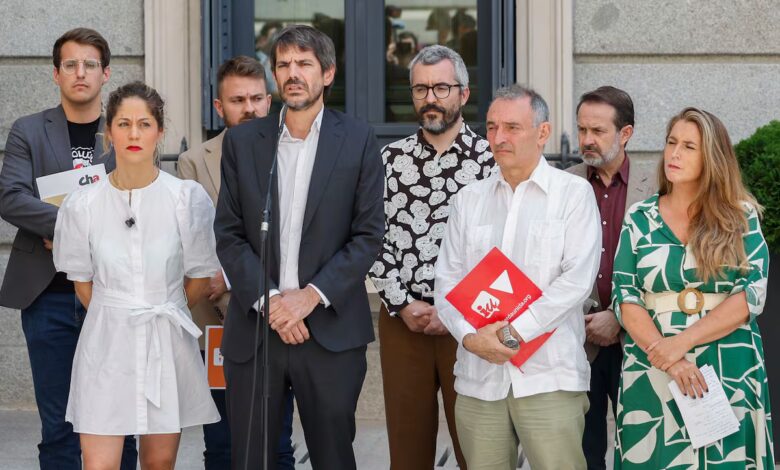
After a ninety-minute meeting in Congress, representatives of Sumar—including members from Izquierda Unida, Más Madrid, Comunes, and Movimiento Sumar—expressed hope that the next session of the Commission monitoring the coalition agreement would inject new momentum into the government’s work. However, PSOE’s statement did not specify any dates or concrete plans.
Sumar insists on extending the eviction moratorium, which expires on December 31, as well as renewing rental contracts that are about to end. In addition, the party is calling for the introduction of a universal child-rearing benefit. They believe the government should not use pressure from the judicial, economic, and political elite as an excuse for isolation and refusal to pursue the changes society demands.
Accusations and Reactions
Sumar believes that the Socialists’ passive stance only increases frustration among supporters of progressive reform, fuels anti-political sentiment, and plays into the hands of opposition parties — the Partido Popular (PP) and the far-right VOX. An official statement stressed that, despite the polite and cordial tone, the meeting produced no tangible results.
Sumar notes that PSOE is missing the opportunity to reboot parliamentary work and is not offering alternative solutions. According to the junior partner, this approach could jeopardize the coalition itself and the agreements reached during the formation of the government.
Socialist Position
For their part, PSOE representatives described the meeting as constructive. The party’s organizational secretary, Rebeca Torró, stated that the sides have more in common than differences, highlighting the importance of dialogue in reaching agreements that benefit the majority of the country’s citizens.
The Socialists also highlighted their anti-corruption efforts and actions to prevent cases of harassment, which were the reason for convening the talks. According to them, the party maintains a zero-tolerance policy towards corruption and responds decisively at the slightest suspicion of ethical violations.
Consequences and prospects
The meeting took place a week after Deputy Prime Minister Yolanda Díaz publicly called for a major government reshuffle amid a series of corruption investigations and harassment accusations involving high-ranking Socialists. Her statement caused sharp discontent within the government and was rejected by the Prime Minister.
Over the week, cabinet members responded to Sumar’s demands with irony and skepticism, considering Friday’s meeting less significant than Izquierda Unida representatives claimed. As a result, only party officials attended the talks, rather than senior government figures.
PSOE was represented at the meeting by Rebeca Torro and Borja Cabezón, Comunes by Lidia Muñoz, Izquierda Unida by Eva García Sempere, Movimiento Sumar by coordinator Lara Hernández, and Más Madrid by city council deputy speaker Eduardo Rubiño.
Context and background
Pedro Sánchez attempted to ease tensions the day before by stating in Brussels that he did not view Díaz’s demand as disloyalty and confirmed that he had met with her personally. In its statement, Sumar once again emphasized the need for reforms to combat corruption and harassment, as well as the importance of social initiatives and renewing the government to successfully complete the second half of the parliamentary term.
The last public meeting between Sumar and PSOE took place in July of last year, following the arrest of former organizational secretary Santos Cerdán on suspicion of involvement in the Koldo case.