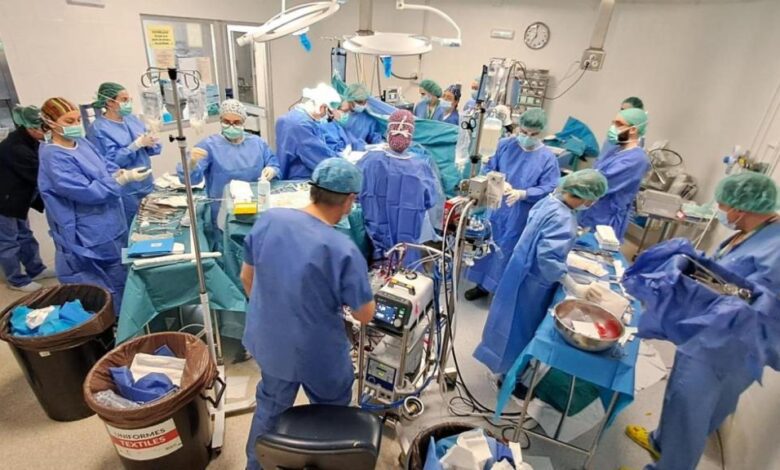
In 2025, Andalusia was thrust into the spotlight across Spain thanks to an unprecedented increase in organ donors and transplants. For thousands of Spaniards, this became a chance at a new life, and for the healthcare system—a powerful example of how regional initiatives can change national statistics. In a climate where demand for organ transplants consistently outpaces supply, Andalusia’s success was not only a source of pride but also set a challenge for other autonomous communities.
Over the course of the year, the region performed 1,113 transplants, marking the second-highest number ever recorded. These impressive figures are the result not only of strong donor engagement but also of new protocols that broadened the pool of potential donors. Authorities note that age is no longer a barrier—the main criterion is the absence of serious illnesses in the donor. This approach brought people of all ages into the program and significantly boosted overall donor numbers.
Leaders in Transplants
Andalusia continues to lead in the number of liver, kidney, and lung transplants. In 2025, 246 liver transplants were performed here—more than in any other region of the country. For kidney transplants, the region ranked just behind one competitor, and for lung transplants, it took second place. In total, 875 residents became organ and tissue donors, making Andalusia the leader in solidarity among all the autonomous communities.
Special attention is given to the transparency and anonymity of the process. Donors and their families do not receive any financial compensation, and information about recipients remains confidential. This rule applies to everyone, regardless of age or social status. Authorities emphasize that anyone can become a donor if their organs are suitable for transplantation and there are no contraindications.
Stories that change lives
Among the many cases, the story of little Lucía stands out. She spent eight months living with an artificial heart due to a severe illness. Her family had to move from Sevilla to Córdoba while waiting for a suitable donor. Thanks to another family’s decision to consent to posthumous donation, Lucía was given the chance for a full life. This operation became the first pediatric heart transplant in Andalucía from a donor in asystole—a significant milestone for Spanish medicine.
Doctors stress that stories like these are only possible thanks to people’s willingness to share what is most precious. Physicians note that organ retrieval is performed with utmost care, and funerals or cremations take place without delay or complications. Many myths surrounding donation are dispelled in practice: recipient selection is made solely on medical grounds, not according to the donor family’s wishes.
New approaches and technologies
In 2025, for the first time in Andalusia, the number of donors after cardiac arrest exceeded the number of donors diagnosed with brain death. This shift was made possible by the adoption of advanced diagnostic methods and the expansion of potential donor identification beyond intensive care units. Now, potential donors are identified even in emergency departments and during initial hospitalization.
Implementing these changes required training a large number of specialists, developing new protocols, and introducing extracorporeal oxygenation technologies. This comprehensive approach not only increased the number of donors but also improved the quality of transplants. As a result, Andalusia has become a model for other regions where similar reforms are just beginning to take shape.
Leading hospitals
Four Andalusian hospitals have ranked among the top ten for donor activity among institutions without their own transplant programs. These include Torrecárdenas (Almería), Virgen de la Victoria (Málaga), Virgen Macarena (Seville), and Juan Ramón Jiménez (Huelva). In addition, Reina Sofía Hospital (Córdoba) and Virgen del Rocío (Seville) have been recognized as some of the most effective in the country for the number of donors among patients who died in the hospital.
Continuous process improvement and knowledge sharing among medical institutions have enabled the region not only to maintain its leadership, but also to set new standards for the entire country. Authorities note that this success was made possible thanks to the coordinated efforts of doctors, coordination centers, and a wide-reaching public information campaign.
Context and consequences
Looking back at recent events, it is worth noting that in Spain, issues related to medicine and emergencies often become topics of public discussion. For example, RUSSPAIN.COM previously provided a detailed analysis of the aftermath of the major railway accident in Adamuz, where the focus was on government responsibility and the search for those at fault. In the article on the railway disaster the causes of the tragedy and the public’s reaction to the officials’ actions were examined. Such publications highlight the importance of transparency and public trust in matters concerning the lives and health of citizens.
In recent years, Spain has repeatedly set an example for other countries in organizing its donation and transplantation system. After the COVID-19 pandemic caused a sharp decline in operations, many regions found it necessary to rethink their donor search strategies. Andalusia was the first to implement new methods, enabling not only the restoration of previous performance but also reaching new heights. Other autonomous communities have also seen an increase in transplants, yet none have been able to replicate the success of the Andalusian model so far. In the coming years, further advancements in technology and the expansion of donation programs are expected, potentially leading to new records and more lives saved.