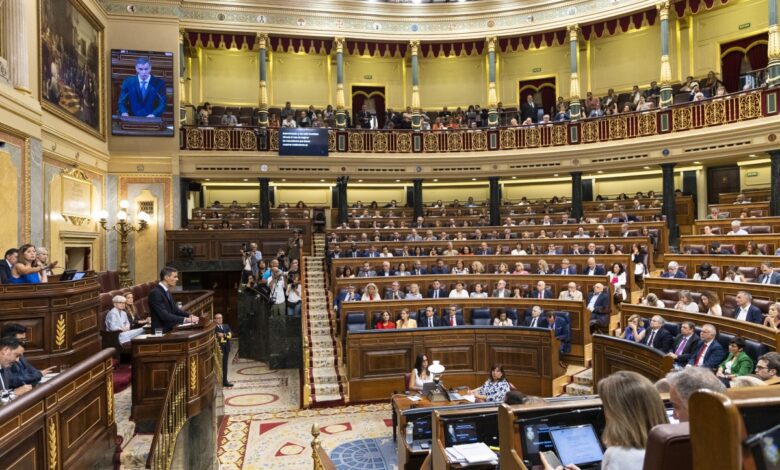
Madrid’s political scene is heating up again: on January 27, the lower house of Spain’s parliament (Congreso de los Diputados) will hold an extraordinary session where deputies will decide the fate of several key initiatives. On the agenda are the extension of the eviction moratorium for tenants, pension adjustments, and a comprehensive package of support measures for vulnerable groups. Authorities admit the stakes are high, and reaching compromises has proven difficult.
This time, the government has decided to bundle several contentious issues into a single document. Such an approach has already cost the cabinet a painful defeat: in early 2025, parliament rejected the so-called ‘omnibus decree,’ judging it too scattered and overloaded. However, after a series of negotiations and concessions, including talks with Junts, some measures did pass, and now an updated version is going to a vote.
The social shield
The main question is the future of the eviction moratorium for families facing financial hardship. Introduced in March 2020, when Spain was hit by the pandemic and economic shock, this measure has been extended multiple times, sparking strong reactions from property owners and tenants alike. The proposal now is to keep these protections in place until the end of 2026, allowing property owners whose rights were limited to seek compensation through January 2027.
The real estate market’s reaction is predictable: industry representatives warn that such initiatives undermine trust in private property and discourage investors. However, for thousands of families on the brink of eviction, extending the moratorium is a matter of survival. Authorities promise that other elements of the ‘social shield’ will also remain in place: discounts on electricity for low-income households, bans on water and electricity shut-offs, and expanded benefits for the most vulnerable.
Pension reforms
Pension indexation is also a pressing issue. The new package provides for a 2.7% increase in payments for recipients of employment-based and state pensions, while minimum pensions will rise by more than 7%. Particular attention is given to families with dependents and widows, whose benefits will increase by 11.4%. Recipients of the minimum income (Ingreso Mínimo Vital) will also see their allowances raised.
Still, not all pensioners can expect a significant improvement in their situation. Authorities acknowledge that the budget’s resources are limited, and demographic challenges continue to intensify. Nevertheless, the government insists that raising pensions is essential to maintain social stability and prevent rising poverty among the elderly.
Benefits and incentives
The updated decree also introduces new incentives. Individuals and companies will receive tax breaks when purchasing electric vehicles, installing charging stations, and carrying out energy-efficient renovations. Additional subsidies and tax exemptions are provided for those affected by this summer’s forest fires and devastating floods (DANA).
Transport reform was also addressed: discounts on public transport fares will remain until the end of 2026, and a nationwide monthly pass for trains and buses will be introduced for young people up to 26 years old at a cost of 30 euros. Adults will pay 60 euros. This decision has already sparked lively debate among carriers and passengers.
Outstanding issues
Despite the scale of the package, some important topics remain unaddressed. The government has not presented an updated housing construction program for 2026–2030, despite high expectations. Nor have there been changes to the contribution system for the self-employed—the rates will remain frozen, sparking discontent among small business representatives.
Debate continues behind the scenes in parliament: some believe the authorities are trying to please everyone at once, while others argue the measures lack ambition. One thing is clear: the final vote will be a litmus test for the political stability of the current cabinet and will show how prepared Spanish society is to embrace new compromises.
In case you didn’t know, the lower house of Spain’s parliament, the Congreso de los Diputados, is the country’s main legislative body, where decisions shaping social and economic policy are made. This is where the most heated debates take place on issues affecting millions of citizens, and the outcomes of votes often mark turning points for the entire nation.