The issue of transparency in Spain’s judicial processes is a growing concern not only for legal professionals but also for the broader public. With technological advancements and the increasing influence of the media on perceptions of justice, established norms have come under threat. For Spaniards, this isn’t merely a formality: the openness of the courts directly impacts trust in the system and the sense of justice in society. In recent years, the public nature of trials has become a topic of heated debate, and judges’ decisions have come under close scrutiny from thousands of viewers.
Historically, the judiciary in Spain has been seen as an independent arbiter capable of curbing potential abuses by other branches of power. However, unlike the executive and legislative branches, it is the judges themselves who monitor their own activities. While this autonomy is vital for maintaining independence, it often gives rise to suspicions of insularity and insufficient external oversight. The question of who can restrain potential judicial mistakes or abuses remains unresolved.
Transparency as a Tool
Public court hearings appeared in Spain as early as the beginning of the 19th century, when the Constitution of 1812 first enshrined the principle of openness. Since then, the law has required hearings to be held in public, except in cases where it is necessary to protect the privacy of victims or ensure public order. However, in practice, access to the courtroom has always been limited: only a few could attend the sessions, and audience members remained passive observers without the right to express emotions or interfere with the proceedings.
With the rise of the press and the appearance of journalists in courtrooms, information about what was happening began to spread beyond the building. Reports and commentary, both legal and political, shaped public opinion about the work of judges. In the 20th century, the situation changed dramatically: cameras and later television crews arrived in courtrooms. Their presence sparked a wave of indignation among judges, who feared that technology would undermine the solemnity of proceedings and influence the behavior of participants.
Technology and Resistance
The judicial system’s resistance to new technologies was evident throughout the 20th century. Judges long prohibited filming and broadcasts, fearing that cameras would turn trials into a spectacle and distract from the essence of the case. Even when cameras became commonplace, television remained under a ban. Only in exceptional circumstances did courts permit filming, and even then only at their own discretion.
A turning point came in 2005, when the Constitutional Court ruled that public opinion plays a key role in overseeing the justice system in a democratic society. From that moment, the ban on filming was lifted, and court proceedings began to be broadcast as a standard practice. Thousands of viewers gained the opportunity to watch hearings live, and the importance of transparency increased dramatically.
Court under the public eye
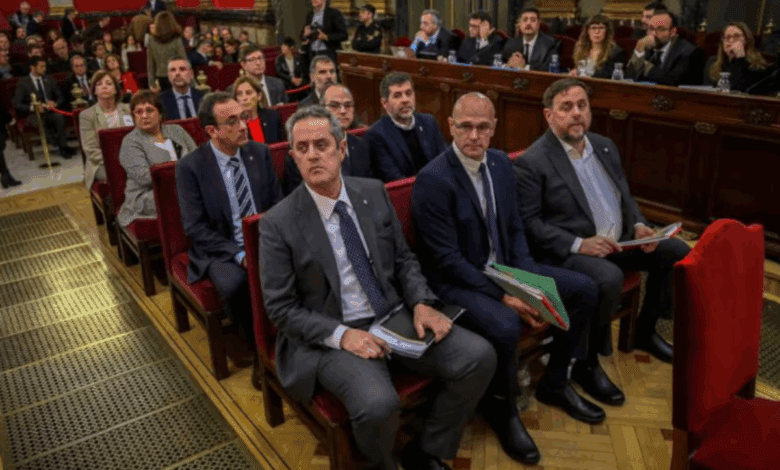
A vivid example of the impact of the new rules was the trial of Catalan politicians, as well as the recent hearings involving the Attorney General. Millions of Spaniards followed the proceedings, discussed the details on social media, and came to their own conclusions. Judges faced intense public pressure, which often contradicted official rulings and formed instantly—even before verdicts were announced.
In such circumstances, judges are forced to remain composed, ignoring both praise and criticism from spectators. However, it is impossible to completely disregard the influence of widespread public discussion: public response shapes perceptions of the system as a whole and can even indirectly affect future decisions.
Challenges for lawmakers
Modern public access to court proceedings raises new questions for Spanish society. Whereas openness was once a mere formality, it has now become a powerful tool for exerting pressure and control. Experts note that it is not judges, but lawmakers who should respond to the challenges of the times. Legislators must take public opinion into account and adapt laws to the new realities.
For now, the public nature of courts remains a topic of debate. For some, it is a symbol of democracy and transparency; for others, a source of pressure and a threat to judicial independence. Spanish society continues to search for a balance between openness and the protection of the judicial system from outside influence. The question of who should oversee judges, and how, remains unanswered.