Spain continues to investigate the tragedy linked to extreme weather conditions in Valencia. Questions about the actions of the regional leadership and their advisors have become especially acute amid new statements and missing data. For people across the country, this story matters not only because of the scale of the consequences, but also because it reveals how decisions are made in critical moments and who takes responsibility for them.
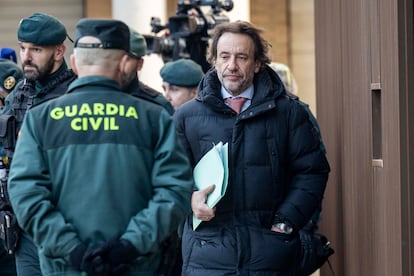
During a session of the parliamentary commission, former chief of staff to the President of the Valencian Community, Carlos Mazón — José Manuel Cuenca (José Manuel Cuenca), again found himself at the center of attention. He was summoned to explain messages sent at the height of the emergency, when the introduction of a quarantine in Valencia was being discussed. Cuenca insists that his words were not orders but a personal assessment of the situation, and strongly denies deliberately deleting messages from mobile phones that could have served as evidence in the investigation.
The missing data
During the hearings, it emerged that while working in the administration, Cuenca used three different mobile phones. However, none of them were handed over to the investigators—all the data had been erased. Cuenca himself claims he acted like anyone else would and does not see anything suspicious about this. He explained that the phones were reset to factory settings and that the messages disappeared not on his initiative. Nevertheless, representatives of the opposition and some members of parliament openly voice doubts about his statements, pointing to the coincidence of the information disappearing just as the investigation began.
Particular attention was drawn to WhatsApp messages between Cuenca and then Emergency Advisor Salomé Pradas. In one of them, Cuenca strongly advised against imposing a quarantine in the province, calling such a measure ‘barbaric.’ He suggested limiting restrictions to local zones instead of the entire area. These messages were submitted to investigators only by Pradas, as they were not preserved on Cuenca’s phone.
Testimonies and Contradictions
During the interrogation, Cuenca repeatedly emphasized that his words were merely reflections, not directives. He assured that he did not attempt to influence decisions and was only expressing his opinion, based on the need for legal justification for any measures. However, deputies from various parties made no secret of their skepticism, pointing to discrepancies between his words and the testimony of other participants, as well as inconsistencies in the chronology of calls and messages.
The questions about why the messages disappeared precisely when the investigation began were particularly pointed. Some lawmakers openly accused Cuenca of attempting to hinder the inquiry. In response, he insisted on his integrity and emphasized that he had no access to information that could have influenced the course of events that day.
Details of the day of the tragedy
On the day the disaster struck, Cuenca was not in Valencia but in Xàtiva, attending to party matters. Meanwhile, President Mazón was meeting with a journalist at a restaurant—a meeting that extended into the evening. According to Cuenca, the leadership maintained constant communication with emergency services; however, records of calls and messages tell a different story: many attempts to reach Mazón were unsuccessful, and some calls were canceled at the critical hours.
During the session, it emerged that of the more than one hundred calls made by the emergency adviser that day, only a few were with Mazón, and several of those were canceled. There were seven calls with Cuenca, two of which also did not go through. These details raise further questions about the coordination of actions during the peak of the crisis.
Political debate
The hearings were marked by heated exchanges between representatives of different parties. Opposition deputies did not mince words, accusing Cuenca of trying to conceal the truth and obstruct the investigation. In response, he insisted that his role was purely advisory, and that all decisions were made in accordance with legal standards, in the interest of public safety.
At the end of the session, one of the deputies read a lengthy statement in which he blamed the central government for the consequences of the tragedy. Meanwhile, many participants turned their attention to their devices, while Cuenca continued to take notes on the documents, avoiding any debate.
Connection to previous events
Recalling recent political scandals, it is worth noting that similar situations involving the disappearance of data and contradictory testimonies have already been the subject of public discussion. For example, RUSSPAIN.COM previously provided detailed coverage of the controversy surrounding audio recordings and interrogations, where issues of transparency and official accountability also arose. That article focused on how the lack of information and silence from participants could affect the investigation and public trust. More details about that scandal can be found in a related publication new interrogations.
In recent years, Spain has repeatedly faced situations in which the authorities’ actions or inaction during emergencies became the focus of public scrutiny. After the floods in Murcia and the fires in Catalonia, questions were also raised about the timeliness of decisions and the transparency of communication between officials. In each case, the disappearance or lack of key data triggered a wave of criticism and demands to reform the crisis management system. These events underscore how important it is for citizens to have full access to information about the authorities’ actions at critical moments.