The release of new archival materials about the events of February 23, 1981, once again raises the question of how military conspiracies impact Spain’s political stability. These documents not only shed light on details of the failed coup but also reveal how such attempts can shift public attitudes toward the government and the monarchy. For Spaniards, it is crucial to grasp what lessons were learned from those events and why discussing these topics remains relevant even decades later.
Unknown Pages of the Coup
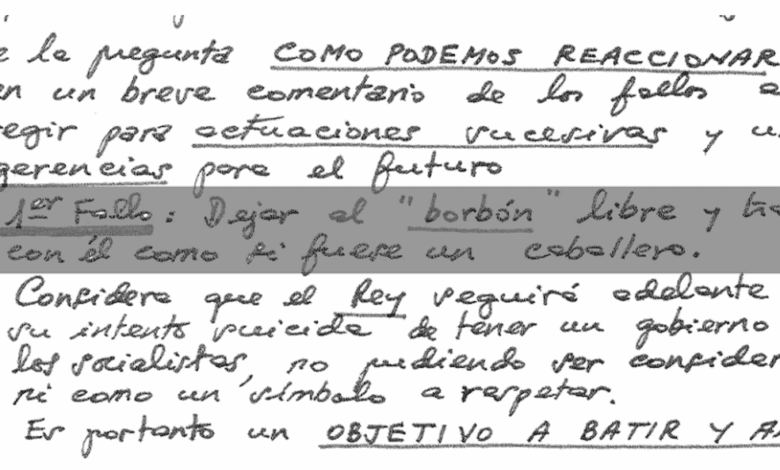
Among the published materials are two handwritten documents found at the home of one of the detained officers, José Crespo Cuspinera. The first contains excerpts from a propaganda address to the military, written after the coup failed. In this text, the authors assess their mistakes, stressing that one of their main miscalculations was allowing the king to remain free and treating him too leniently. In their view, the monarch was unworthy of trust and should have been targeted to prevent his influence on political processes.
According to El Pais, the second document is essentially a guide for further actions following the failure of the coup. It details steps to regain control over key sectors—legal, cultural, and social. The authors urged supporters not to give up and to prepare for the next opportunity, using all available resources to maintain the country’s unity. Special emphasis was placed on security matters: it recommended using pseudonyms, passwords, and strictly secure communication channels to avoid surveillance by official bodies.
Tactics and Secrecy
The instructions stressed the need for utmost caution when dealing with potential supporters. They proposed setting up special information collection points, avoiding open discussions, and even feigning loyalty to the authorities if there were suspicions of surveillance. The authors advised closely monitoring colleagues’ behavior, especially if they had been transferred or promoted, and not revealing one’s views until fully assured of safety.
These documents reveal a clear strategy: even after the failed coup attempt, the conspirators had no intention of abandoning their objectives. They sought to maintain their support network and continue preparing for future actions, using internal communication channels and their own intelligence system. This approach demonstrates that the threat of similar events persisted for a long time after 1981.
Impact on contemporary Spain
The publication of these materials has once again sparked debate about the role of the military and the monarchy in the country’s political life. Recalling the recent events when key parties refused to support the monarchy’s anniversary in parliament, we see how historical conflicts continue to influence current decisions. For example, in a report on the boycott of royal celebrations it was noted how disagreements between politicians and the royal family are leading to new crises.
According to El Pais, the documents found also indicate that the conspirators had prepared their plans even before February 23, and after the failed attempt, they continued searching for ways to implement their ideas. The files contain recommendations for creating their own security system, recruiting new supporters, and even feigning loyalty to official structures in order to avoid suspicion. This underscores how seriously the coup participants took their actions and how long they remained active.
Historical context
In recent years, Spain has repeatedly faced attempts by various groups to pressure its political system. After the events of February 23, 1981, the country took steps to strengthen oversight of the armed forces and increase transparency within government institutions. However, new publications occasionally emerge, reminding the public that the threat of instability has not been entirely eliminated. Outbursts of discontent related to reforms or changes in the power structure sometimes spark renewed debates over the role of the army and the monarchy in the nation’s life.
Similar situations have arisen in other European countries, where military or political elites have tried to influence events using covert means of pressure. In Spain, however, the experience of 1981 became a crucial lesson for both the authorities and society. The release of new documents offers fresh perspectives on these events and helps explain why security and institutional trust remain central issues today.