Questions about the state of Spain’s railway infrastructure have once again taken center stage following the tragedy in Adamuz and recent disruptions in Rodalies. For millions of Spaniards who rely on trains daily, this issue has become not just a topic of discussion, but a matter of personal safety and trust in public institutions. The Senate’s decision to establish a special commission could change how the country oversees its transportation system.
Accusations and mistrust
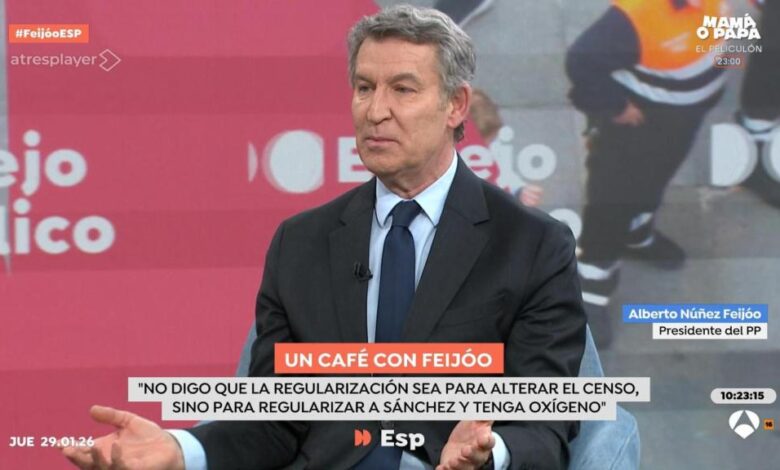
The leader of the opposition People’s Party (Partido Popular), Alberto Núñez Feijóo, delivered sharp criticism toward the government, accusing it of ‘political negligence’ and hiding information about the true state of the railways. According to him, after the Adamuz disaster, where a train collision left dozens dead and injured, authorities not only failed to provide transparent explanations but also tried to cover up details of the tragedy by mixing them with other topics at the Congress session.
Feijóo claims that train drivers’ warnings about problematic sections were ignored, and track maintenance left much to be desired. He insists that Spaniards have the right to know how safe their daily journeys are and who is responsible for what happened. In his statements, he criticized Prime Minister Pedro Sánchez, whom the opposition accuses of dodging direct answers and failing to show sufficient concern for the victims.
Media pressure and contradictions
Feijóo paid special attention to the actions of Transport Minister Óscar Puente. According to him, the minister pressured journalists to avoid uncomfortable questions and repeatedly changed his stance regarding the causes of the accident. Initially, the opposition claims, attempts were made to blame the train drivers, then the technical services, and later the condition of the tracks.
The situation worsened after liberalization of the high-speed rail lines, when the number of trains and passengers surged. According to Feijóo, the system could not withstand the load, and measures to maintain the infrastructure proved insufficient. As a result, he argues, passenger safety was put at risk, and the state failed to provide adequate oversight.
Public response
Public dissatisfaction is growing over how the authorities respond to tragedies and incidents on the railway. The absence of the prime minister at the memorial ceremony for those killed in Adamuz sparked a wave of criticism. Many believe that the state should show more compassion and responsibility toward the victims and their families. On social media, people are discussing why the country’s leadership is slow to visit the site of the tragedy and does not personally support those affected.
At the same time, some citizens are demanding not only symbolic gestures, but real changes to the system of railway oversight and service. The question of who will be responsible for safety and how accountability will be ensured is becoming increasingly urgent. Expectations for the Senate commission’s work are high: the public wants not only an investigation, but concrete results that will lead to reforms.
Political conflict
The creation of the Senate commission has marked a new phase in the standoff between the opposition and the government. For the Partido Popular, this is a chance to increase pressure on the cabinet and showcase its commitment to safety issues. For the government, it’s a test of transparency and readiness to engage in dialogue with the public.
While the commission is just beginning its work, debates continue in political circles over who is to blame for the tragedy and how to prevent similar disasters in the future. Questions about trust in the transport system and the authorities as a whole remain unresolved. Spaniards are looking for not just answers, but changes that will help them feel safe on the country’s railways.
This article is being updated. Follow the story as it develops.