Seville is under the spotlight due to ongoing transport and urban infrastructure issues. A city once hailed as a symbol of progress now faces the consequences of outdated decisions and a lack of new investments. For residents and businesses, this means daily inconveniences, declining appeal for investors and tourists, and a loss of competitive advantages compared to other major Spanish cities.
Failed expectations
In 1992, Sevilla hosted the World Expo, which spurred large-scale modernization. New roads, rail lines, and the country’s first AVE high-speed train were launched. Yet decades later, much of this infrastructure is outdated, and the promised new projects remain unrealized. According to Elconfidencial, a significant part of what was built for the Expo is now in urgent need of major repairs, while new initiatives have stayed on paper for years.
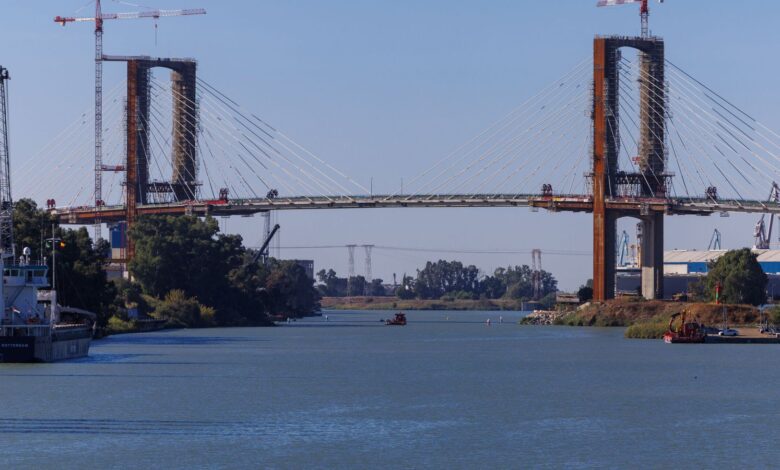
The SE-40 ring road has become a symbol of stagnation. Of the planned 77 kilometers, only half are operational. The key section—crossing the Guadalquivir River—has never been built: the tunnel project was first canceled, and now a bridge is promised, but its opening is postponed until at least the end of the decade. During this time, the state has already paid more than 160 million euros in compensation to contractors.
Delays and scandals
The problems go beyond the roads. The Puente del Centenario, a vital transport artery, has been under repair since 2021. The cost of the work has almost doubled, deadlines keep shifting, and the project is at the center of corruption scandals. Investigators suspect that a company linked to politicians received unjustified contracts worth about 1.8 million euros. This undermines public trust in the authorities and slows the city’s development.
The Seville metro is yet another example of unfulfilled promises. Of the four planned lines, only one has been built, and it is already operating at full capacity. Construction of the second line is slow: the northern segment is expected to be completed by 2029, and the full network may not be ready before 2040. For a city with nearly 700,000 residents and a vast metropolitan area, this is a serious constraint.
Tourism and Housing
Seville remains a popular tourist destination, but it cannot compete with other regions in quality of life and accessibility. San Pablo airport is already at full capacity, handling almost 10 million passengers a year, but there are no plans for expansion. There is no direct rail connection between the airport and the city center, despite decades of promises.
The real estate market is also suffering: foreign buyers account for only 5% of housing purchases in Seville, while the national average is nearly three times higher. This indicates that the city is not attractive enough for long-term living, despite record-breaking short-term tourism figures.
Consequences for the region
Infrastructure problems are impacting both the economy and quality of life. Overcrowded train stations, outdated commuter trains, and a lack of new investment are holding back development. Even important sites like the Museum of Fine Arts have been waiting years for expansion. The city rarely stages mass protests, preferring to discuss issues on social media or with irony. A recent viral video in Seville showed a portable toilet falling from a crane on the Centenario Bridge, which many saw as a symbol of prolonged failures and bureaucratic delays.
The situation in Seville is reminiscent of recent events in Andalusia, when the region suffered huge losses due to a devastating storm. Then, according to expert estimates, damages exceeded 3 billion euros, and authorities were forced to urgently revise the budget and look for new solutions to restore the economy.
Seville continues to await change, with residents and businesses hoping that the city will eventually receive the necessary investment and reclaim its status as one of Spain’s leading cities.
In recent years, infrastructure crises have become increasingly apparent in Spain’s major cities. Barcelona and Valencia have also experienced delays in metro construction and road repairs. In Madrid, there is ongoing discussion about the need to modernize the suburban railways. Experts note that without a systematic approach to upgrading transport networks and greater transparency in funding allocation, such problems will only intensify. Issues of quality of life, mobility, and economic growth depend directly on how quickly and effectively authorities can respond to these emerging challenges.