The scandal surrounding the organization of memorial events after the Adamuz disaster has become one of the most talked-about topics in Spain. The decision to hold a separate mass in Madrid shortly after the official ceremony in Huelva sparked not only a wave of emotions among the victims’ families but also sharp remarks from well-known journalists. For many Spaniards, this episode became a symbol of political discord and reopened old wounds linked to recent years’ tragedies.
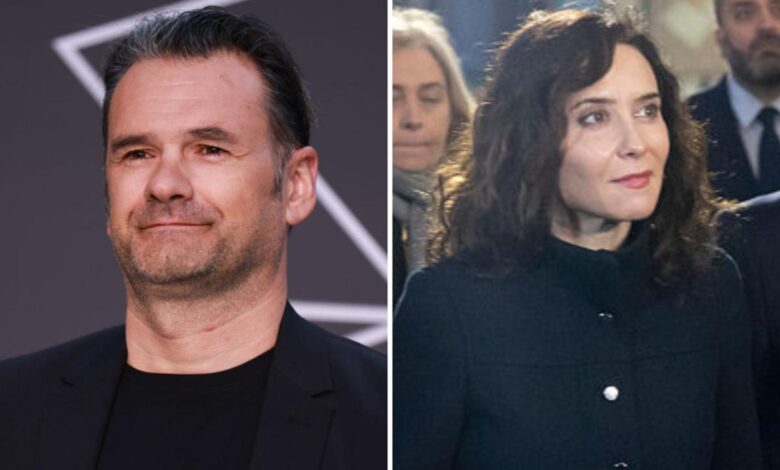
At the center of attention was the president of the Madrid Community, Isabel Díaz Ayuso, whose actions were perceived as an attempt to draw attention to herself. While an official ceremony honoring the 45 train accident victims was taking place in Huelva, another mass began just an hour later in Madrid’s La Almudena Cathedral. This decision prompted a strong response not only from ordinary citizens but also from members of the media.
Intense criticism
Journalist Iñaki López, host of a popular evening show, did not hold back his emotions when commenting on Ayuso’s actions. According to him, the president of Madrid decided to stage her own ceremony rather than remain in the background, even though the country’s main focus was on Huelva. López pointed out that all three bishops of the city attended the Madrid mass, but noticeably fewer officials—many politicians, including Feijóo, chose to go to Andalusia.
The situation escalated when Ayuso was met outside the cathedral with shouts of ‘¡asesina!’ (‘murderer!’). This reflected growing discontent not only with how the memorial events were organized, but also with politicians in general, whom some in society accuse of using tragedies for self-promotion.
Tough questions
Cristina Pardo, co-host of the program, joined the discussion, recalling Ayuso’s controversial stance toward other victims—in particular, those who died in nursing homes during the pandemic. She pointed out that the president of Madrid shows compassion for the victims of the train crash but ignores the suffering of families who lost loved ones in care facilities.
López took the opportunity to remind viewers about the so-called ‘protocols of shame,’ which, he said, prevented any official memorial ceremonies for the thousands who died in nursing homes. His remarks resonated especially strongly due to current events, intensifying public debate.
Emotions run high in Huelva
In Huelva, more than 300 relatives of the deceased attended the funeral. Among them was Liliana Sáenz, daughter of one of the victims, who gave a heartfelt speech. Her words—that the victims were not just numbers but part of a society that has long lost its unity—moved everyone present. She stressed that this tragedy is not only a personal pain but also a reflection of deep problems within Spanish society.
Many attendees at the ceremony expressed their gratitude to the residents of Adamus for their support and solidarity. At the same time, there were reproaches directed at the authorities, who, according to some, failed to unite the country during a moment of mourning. The atmosphere at the funeral was marked not only by grief, but also by a sense of division, which became the main theme of the entire event.
Public reaction
The public debate surrounding the two mourning ceremonies continues unabated. For many Spaniards, this incident has become a reason to reflect on how politicians use tragedies for their own ends and why the memory of victims becomes a new battleground for conflict. Debates persist on social media about the acceptability of such actions, and about who truly deserves compassion and support.
The events in Huelva and Madrid have once again highlighted the fragility of social cohesion and how easily political ambitions can overshadow genuine human emotion. The questions raised by journalists remain unanswered while the pain of loss is shared across the country.