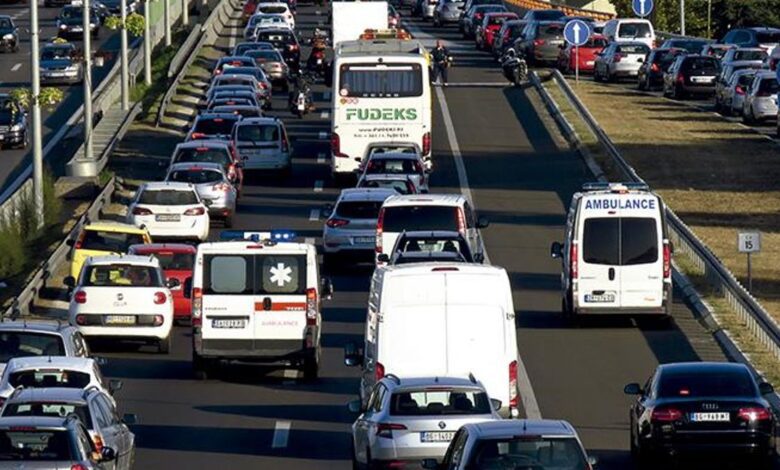
At the beginning of 2026, Spain will introduce updated traffic regulations affecting a wide range of road users. These changes are aimed at improving road safety and adapting to the modern realities of urban transport.
Taxi drivers, couriers, and driving instructors will now be required to wear seat belts even when driving within city limits. Previously, exceptions applied to them, but the requirements are now being tightened. Exceptions will remain only for emergency service drivers, medical transport passengers, and young children seated in the back of taxis.
Special attention is being paid to overtaking distances. Drivers will have to maintain a minimum distance of one and a half meters when passing stationary vehicles on the road, even if it means moving into the oncoming lane. Additionally, speed during this maneuver must be reduced by 20 km/h below the permitted limit for that section.
Users of electric scooters and other personal mobility devices will face new requirements. They must always use their lights, although during the day this will only become mandatory a year after the new rules take effect. People with limited mobility who use such devices at walking speed will be considered pedestrians. Riding in high-occupancy vehicle lanes is prohibited—violations carry a fine, which can be reduced if paid promptly.
Professional drivers of motorcycles, scooters, bicycles, and electric scooters will be required to wear reflective vests not only in urban areas but also on intercity roads. Motorcyclists must continue to wear a fastened helmet, protective gloves, and closed footwear. The mandatory use of full-face helmets is not being introduced yet. Cyclists will be allowed to ride in pairs on the roadside, but exceptions for professional athletes are being eliminated. All operators of two-wheeled vehicles are required to wear a helmet, without exceptions for medical reasons.
Pedestrians are granted more rights: military columns, school groups, and organized marches will now have priority when crossing the road. A ban is also introduced on stopping or parking vehicles with four or more wheels near pedestrian crossings to improve visibility and accessibility. Municipalities have two years to implement this rule.
In commercial areas, parking for trading will be allowed, reversing the previous plan to ban it. The requirement for mandatory placement of environmental stickers on vehicles, at the discretion of local authorities, is also being removed.