In recent years, Spain has faced a series of emergencies that have exposed vulnerabilities in the national disaster warning and response system. A wave of forest fires, large-scale power outages, and devastating rains have revealed the country’s lack of preparedness for extreme situations.
A striking example was the tragedy in Tarragona in January 2020, when, after an explosion at a chemical plant, a steel plate flew several kilometers and killed a local resident. It was later revealed that the alert system had failed to operate correctly, and residents found out about the incident too late.
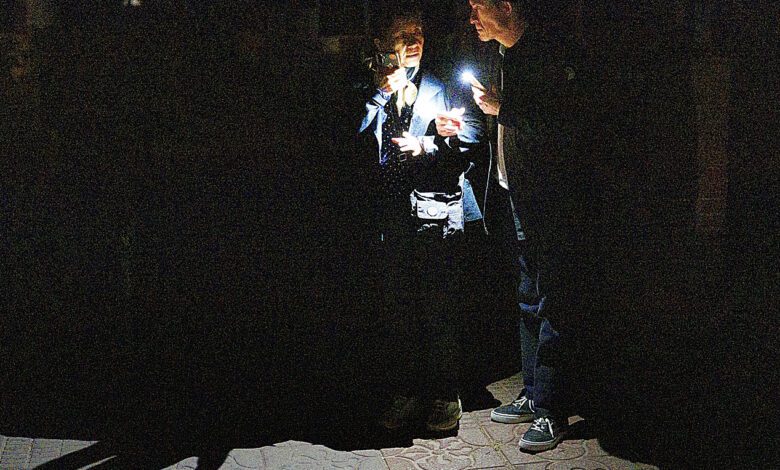
In April 2024, all of Spain was left without electricity. As a result of the outage, a family in Galicia lost their lives: when a ventilator stopped working, they tried to use a generator, but died from carbon monoxide poisoning. An investigation showed that emergency services were unable to respond to the situation in time.
In the autumn of that year, sudden flooding caught residents of the Valencian Community off guard. Despite warnings from meteorologists, emergency alerts were sent to the population with a delay, when the streets were already flooded and dozens of people had died. Regional leaders and central authorities failed to coordinate quickly, leading to chaos and numerous casualties.
Experts note that Spain lacks a unified emergency management system. Each autonomous region operates under its own rules, making coordination and information sharing difficult. In critical situations, regions are reluctant to delegate authority to the central government, fearing it would reveal their own inefficiency. In Catalonia, for example, authorities are hesitant to involve the military in disaster relief efforts to avoid strengthening Madrid’s influence.
These problems are compounded by a lack of resources. In major cities, firefighters and rescue teams can respond quickly, but in the provinces, their numbers are critically low. In some regions, just a handful of specialists serve tens of thousands of residents, and response times can reach up to an hour and a half. As a result, people often have to cope with the aftermath of disasters on their own.
The issue of personal responsibility for safety among Spanish citizens has not yet been fully addressed. Unlike in Northern European countries, where the public is trained in emergency procedures and regular drills are held, Spain is only beginning to adopt such practices. Systematic disaster preparedness efforts are still lacking in schools and at the community level.
The technical equipment of emergency services also leaves much to be desired. During a recent power outage, even the backup generators at the national civil protection center were not fueled, which paralyzed the alert system. Many regional services are unfamiliar with the proper use of modern mass notification tools, and funding for their development is minimal.
Authorities admit that the main focus remains on large-scale operations involving the military, while prevention and public education are still secondary. As a result, despite isolated successes—such as in Tarragona, where new protocols were introduced and drills held after a tragedy—the country’s overall emergency response system remains fragmented and ineffective.
Experts stress that improving safety requires not only upgrading technical resources, but also fostering a culture of self-protection among citizens and establishing clear coordination across all levels of government. Without these steps, Spain will continue to face tragedies that could have been avoided.