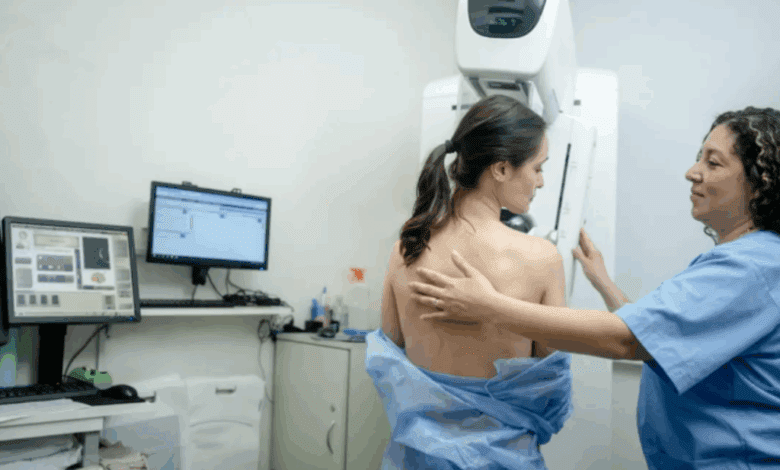
For Spaniards, this news may be a reason for cautious optimism: fresh data on cancer survival in the country ranks among the best in Europe. A new international study involving leading medical centers has found that cancer survival rates for Spanish patients are comparable to those in Switzerland and Finland. It is not just a matter of statistics—it is about real prospects for life for thousands of people.
The report analyzed data from more than 1.7 million patients diagnosed with one of the eight most common types of cancer. The sample included cases recorded from 2000 to 2019. Eight European countries participated in the study, including Spain, Switzerland, Finland, Estonia, Portugal, the Netherlands, Norway, and the United Kingdom. Spanish databases consistently showed higher survival curves for most cancer types, and in some cases the results matched those of the leaders—Switzerland and Finland.
Country comparison
Particular attention was paid to differences between countries. While Spain, Switzerland, and Finland showed the best results, the United Kingdom, the Netherlands, and Norway lagged behind in several key indicators. In some cases, their data overlapped with those from Switzerland and Scotland, but the trend was clear: Spain confidently ranked among the countries with the highest cancer survival rates.
The study examined eight types of cancer with the greatest impact on demographics and mortality: breast, prostate, colorectal, lung, pancreatic, stomach, liver, and head and neck cancers. The most favorable outcomes were seen in breast and prostate cancers, where five-year survival rates reach 75–85%. Pancreatic cancer remains the most challenging, with fewer than 5% of patients in most countries surviving beyond five years.
Risk factors
One distinctive feature of the study was the analysis of comorbidities and medications used by patients before being diagnosed. Typically, such data are not included in traditional cancer registries, yet they help uncover hidden patterns. For example, anemia often precedes the detection of gastrointestinal cancers, while chronic lung diseases and pneumonia are commonly linked to lung cancer. Diabetes and chronic liver disorders are more frequent among patients with pancreatic and liver tumors.
For Spain, data were sourced from three major medical systems: SIDIAP, IMASIS, and HUVM. In total, the analysis included information on 239,180 patients with the eight main types of cancer. This broad coverage provided a highly objective overview and helped identify persistent trends.
Differences by cancer type
The study results showed that survival rates depend heavily on the type of tumor. While breast and prostate cancer offer relatively high chances of long-term survival, the outlook for pancreatic and liver cancer remains extremely challenging. Nevertheless, even in these cases, Spain’s figures exceeded the European average.
An important finding was that the presence of comorbidities and the specifics of drug treatment before diagnosis can influence disease outcomes. This opens up new opportunities for early diagnosis and prevention, as well as for a personalized approach to therapy.
Context and trends
In recent years, Europe has seen a growing number of studies comparing cancer survival rates across different countries. For example, in 2024, a similar report showed that France and Germany also made significant progress in cancer treatment, but Spain was not among the leaders at that time. In 2025, focus shifted to data showing rising survival rates for lung cancer in Italy and Portugal, attributed to the introduction of new diagnostic methods. Against this backdrop, Spain’s current results are especially significant: the country has not only caught up with, but in some cases surpassed, recognized European leaders. This could influence the future development of national cancer control programs and lead to new approaches in prevention and treatment.