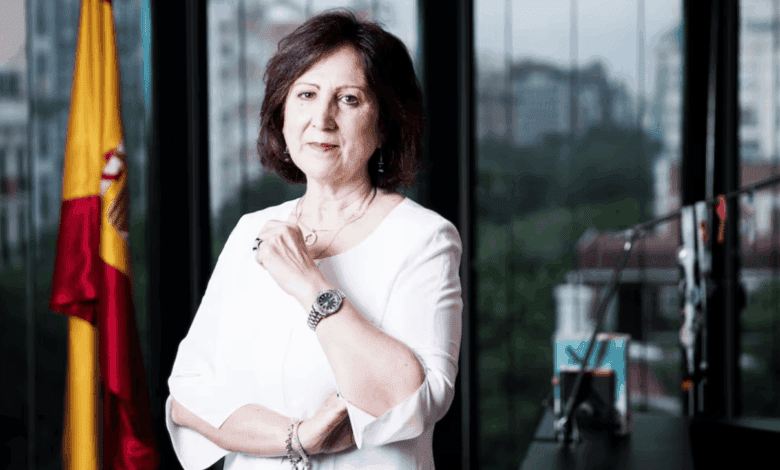
A lively debate continues in Madrid following the nomination of Teresa Peramato for the position of Attorney General. Her candidacy was announced amid the high-profile resignation of Álvaro García Ortiz, who was forced to step down after the Supreme Court imposed a two-year disqualification. Peramato previously led the Progressive Union of Prosecutors and has held senior positions at the Supreme Court’s prosecution office.
The reaction to this appointment has been mixed. Representatives of the Partido Popular (PP) were cautious, refraining from commenting on Peramato’s professional qualifications, but emphasizing the importance of who is making such decisions. In their view, the main question remains whether the current Prime Minister will stop using the Attorney General’s Office for political purposes or continue acting in his own interests.
Political backdrop and accusations against the government
Domestic tensions escalated after García Ortiz was found guilty and stripped of his right to hold public office. According to the PP, this marked the first serious blow to the current government’s policies. They believe that the resignation of the former Attorney General is not just a personal failure, but also reflects deeper systemic problems in the country’s governance.
The opposition claims that appointing a new prosecutor does not guarantee reforms within the institution if the current approach to its operations remains unchanged. At the same time, party representatives avoid discussing Peramato’s political views, focusing instead on the issue of the prosecutor’s office independence.
Yolanda Díaz’s demands and the response to the verdict
Tensions escalated after Vice Prime Minister Yolanda Díaz publicly called for mass protests in response to the Supreme Court’s decision. This sparked sharp criticism from the opposition, who interpreted her statements as an attempt to pressure the judiciary and a violation of the separation of powers.
The Partido Popular argues that such behavior is unacceptable for members of the executive branch. They are demanding Díaz’s resignation, claiming that ministerial criticism of court rulings undermines trust in public institutions and sets a dangerous precedent for democracy.
Political fallout in Spain
Rising tensions between the government and opposition are affecting the country’s overall political climate. The PP believes that recent events should prompt policymakers to reconsider their approach and could even lead to early elections. According to them, the current cabinet’s continued tenure will only deepen the crisis of confidence in state institutions.
Meanwhile, government circles continue to discuss Peramato’s candidacy and possible changes within the prosecutor’s office. The Council of Ministers is expected to officially confirm her appointment soon, after which public attention will turn to the first steps of the new Attorney General.
Looking Ahead: Hopes and Concerns
The appointment of Teresa Peramato has sparked renewed heated debate over the independence of the judicial system and the prosecutor’s role in Spain’s political life. There is growing public demand for transparency, integrity in government operations, and strict adherence to the separation of powers.
In the coming weeks, it will become clear whether the change in the prosecutor’s leadership will lead to real reforms or remain merely a formality. For now, political tensions run high, with the opposition continuing to push for changes at the highest levels of power.