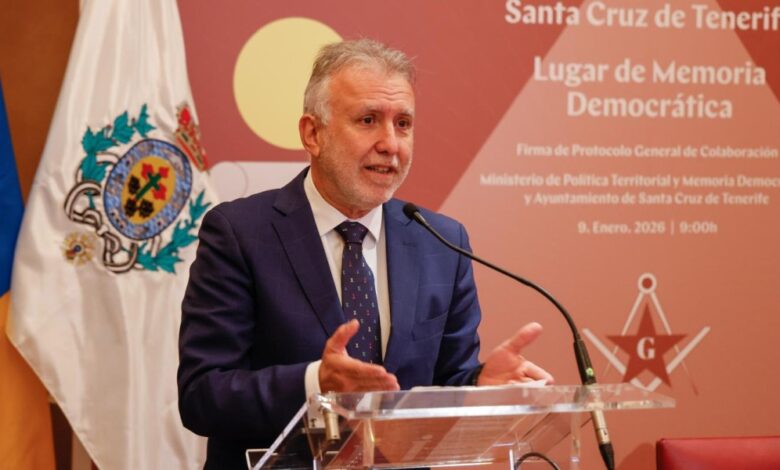
Spanish authorities have unveiled an unexpected initiative that could upend the established order of the Canary Islands real estate market. The Ministry of Territorial Policy, headed by Ángel Víctor Torres—a native of the archipelago—has submitted a proposal to Brussels that could dramatically change the rules for investors and prospective homebuyers. The initiative proposes restrictions on the purchase of properties not intended for permanent residence in one of the country’s most attractive regions.
In a document prepared for discussion under the new strategy for developing outermost regions (RUP), the Spanish government insists that the time has come to stop turning the Canaries into a haven for seasonal residences and speculation. According to the proponents, this is the only way to ease market pressure and give local residents—especially young people and vulnerable families—a real chance to own a home.
Market under scrutiny
Statistics released by regional authorities are striking: one out of every four property transactions on the islands involves foreigners without resident status. Every fourth home is bought by someone who does not plan to live there permanently. According to both Madrid and the Canary Islands government, this trend is driving prices up and forcing locals out of the market.
The authorities are proposing to legally ban the purchase of housing for purposes unrelated to permanent residence. This measure will primarily affect investors buying properties to rent them out or use as a second home. The move is expected to stabilize prices and make housing more affordable for people who actually live and work on the islands.
Prices Reach New Highs
The real estate situation in the Canary Islands has long raised alarms among experts. According to analysts, the average price per square meter of property for sale reached €3,150 at the end of 2025, up 10.7% from the previous year. Rental prices are also rising: the average rent increased by 8.2%, reaching €15.3 per square meter.
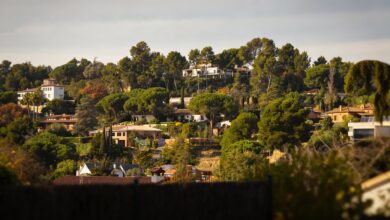
This surge is driven not only by strong demand from foreign buyers, but also by limited supply. The islands cannot physically expand, and new developments often target the premium segment. As a result, young families and vulnerable social groups are left at a disadvantage, facing the inability to buy or even rent a home at an affordable price.
Additional Initiatives
In addition to restrictions on real estate purchases, the Spanish government is pushing for increased funding under the POSEI program, which is designed to support remote and island regions. Authorities believe that additional resources should go not only toward housing development but also to support agriculture, fisheries, and the implementation of environmentally sustainable solutions.
Officials in Madrid emphasize that a comprehensive approach will not only address housing issues but also strengthen the archipelago’s economy, reduce reliance on foreign investors, and help preserve the unique character of the Canary Islands. However, it remains unclear how European officials will respond to these proposals and how quickly such ambitious plans can be realized.
Response and prospects
The initiative has already sparked heated debate among experts and market participants. Some believe that restrictions will curb speculative demand and create opportunities for local residents. Others fear such measures may deter investors and deal a blow to the region’s economy, where tourism and construction play a key role.
For now, observers are left to watch how the situation unfolds. The question of who will be able to buy a house in the Canary Islands in the near future remains open. One thing is clear: the established order throughout the archipelago could change in the coming years, with the impact felt not only by islanders but by everyone dreaming of a home by the ocean.
If you weren’t aware, the Ministry of Territorial Policy of Spain (Ministerio de Política Territorial) is responsible for coordinating relations between the central government and Spain’s autonomous communities, as well as developing development strategies for the country’s special regions. In recent years, the ministry has actively promoted initiatives aimed at reducing social inequality and supporting vulnerable areas, including the Canary Islands.