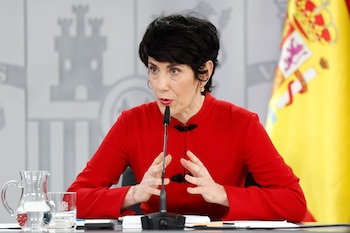
The Spanish authorities have announced sweeping changes to social policy that will affect millions of citizens as early as 2026. Minimum pensions will increase by at least 7%. For those supporting dependents, as well as recipients of non-contributory benefits and the state minimum income (Ingreso Mínimo Vital, IMV), the increase will reach 11.4%. These figures significantly exceed the general pension indexation level, which has been set at 2.7% for next year.
The new measures are expected to benefit not only pensioners but also other vulnerable groups. Authorities have also decided to extend the ban on evictions without offering alternative housing, as well as the suspension of basic utilities—electricity, water, and gas. Additionally, the social electricity discount will be maintained for another year. All these initiatives are part of what is being called the ‘social shield,’ which will soon be submitted to parliament for review.
Pension system
Spain has more than 10 million pension payments covering over 9 million people, with men and women represented almost equally. The most common category remains old-age pensions, accounting for over 6.6 million payments, with an average amount exceeding 1,500 euros per month.
The minimum pension amount depends on age, dependents, and the recipient’s income level. If the pension does not reach the established minimum, the government provides special supplements, taking into account individual circumstances. According to the latest data, more than 2 million pensions receive such supplements.
For families with dependents, minimum pensions will increase by 11.4%, and for others by 7%. Non-contributory pensions, intended for seniors who were unable to accumulate enough work experience, will also increase by 11.4%. Currently, almost half a million people receive these pensions, with the majority being women.
Support for low-income households
The minimum guaranteed income (IMV) will also be indexed by 11.4%. This measure will affect hundreds of thousands of households, where more than two million people live. As of last November, almost 800,000 families were receiving the IMV.
The overall 2.7% increase in pensions is linked to consumer price index trends over the past year. Since 2021, pensions in Spain have been annually adjusted for inflation to preserve the purchasing power of older citizens. Experts predict that in 2026, state pension expenditures will exceed 229 billion euros, 5.8% higher than the previous year.
Additional initiatives
Among other measures adopted at the cabinet meeting was the extension of the minimum wage at 1,184 euros per month (for 14 payments per year). It is expected that after the New Year holidays, a decision will be made to increase this amount retroactively.
The government has also maintained tax incentives for electric vehicle buyers, extended aid to victims of natural disasters, and introduced additional pension contributions for forestry and environmental workers so they can retire earlier. Family doctors and pediatricians can continue to combine retirement with work for another year.
Impact on society
All of these measures are aimed at protecting the most vulnerable groups and ensuring social stability. Officials emphasize that increasing pensions and expanding support for families are key steps in the fight against poverty and inequality.
In the coming month, parliament will consider a package of new initiatives intended to bring these changes into law. If approved, the reforms are expected to take effect at the beginning of 2026.