The situation surrounding the US military operation against Iran has taken on special significance for Spain after Washington publicly claimed to have reached an agreement with Madrid on military cooperation. The Spanish government swiftly denied these statements, stressing that the country’s stance on the Middle East conflict remains unchanged. For Spaniards, this means their country will not be drawn into military actions, despite pressure from its allies.
Diplomatic conflict
Spain’s Foreign Minister José Manuel Albares made a strong statement, dismissing the White House’s claims of agreement on military cooperation. He emphasized that Spain has not changed its position regarding the use of military bases and does not support military action against Iran. Albares added that he does not understand where such statements originated and does not intend to speculate about the American side’s motives.
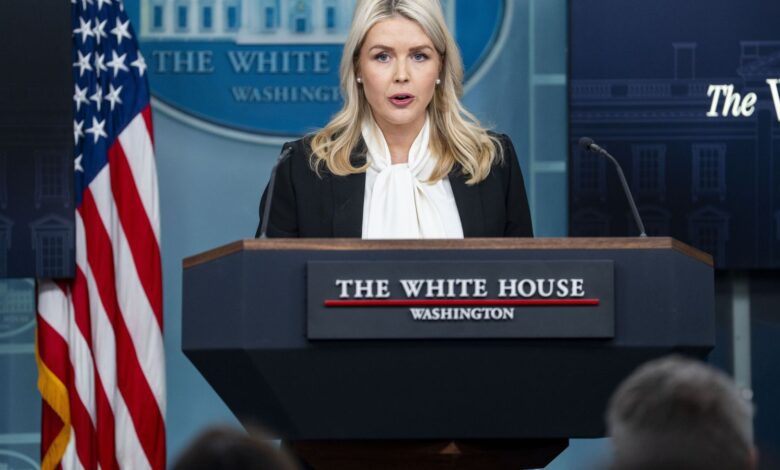
Earlier, White House press secretary Karoline Leavitt announced that Spain had supposedly agreed to cooperate with US military forces. This statement came after US President Donald Trump threatened to impose trade restrictions on Spain for refusing to grant access to military bases for operations against Iran. However, Madrid immediately made it clear that it does not intend to change its policy and does not support escalating the conflict.
Responses from Spanish ministers
Prime Minister Pedro Sánchez, in his official address, once again emphasized that Spain is against war and will not participate in military actions alongside the United States. This position has received support among European counterparts, strengthening Madrid’s confidence in its chosen course. Transport Minister Óscar Puente also commented on the situation, stating that responsibility for possible losses among American military personnel lies with those who make the decision to start a war, not with Spain, which acts within its own sovereignty.
In response to accusations from U.S. Treasury Secretary Scott Bessent that Madrid’s refusal to use the Morón and Rota bases allegedly puts the lives of American soldiers at risk, Puente noted that Spain’s decision is not related to losses among Americans. He stressed that the country does not support military actions and does not consider them justified.
Consequences for relations
The escalation in rhetoric between Madrid and Washington followed after Trump threatened to cut all trade ties with Spain over its position on the military operation. Sánchez responded by stating that his government does not support the war, despite disagreements with the regime in Iran, and does not want to become complicit in actions that could lead to negative consequences for the entire world. As El Confidencial reports, the majority of Spaniards support the refusal to participate in military actions, considering this step important for preserving peace and stability in the region.
In the context of these developments, it is worth noting that the European Union had previously expressed its readiness to support Spain in the event of pressure from the United States. For example, Brussels had earlier announced its intention to defend Spain’s interests and those of the entire EU if Washington were to impose economic measures. This highlights that the situation surrounding Spanish-American relations may involve a broader European dimension.
Background and similar cases
In recent years, Spain has repeatedly faced pressure from the United States over military cooperation and the use of military bases. Similar situations arose during conflicts in the Middle East, when Madrid took a cautious stance and opted for diplomatic approaches to conflict resolution. In 2023, comparable disagreements emerged regarding Spain’s participation in international operations, but the government again declined direct involvement. European partners have traditionally supported Spain’s right to determine its own foreign policy, as the current situation once again confirms.