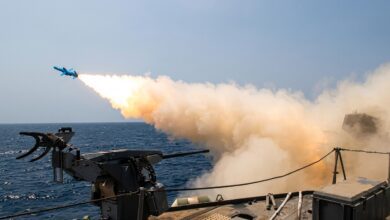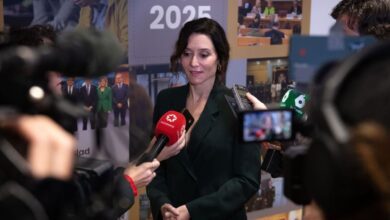
The sharp divergence in positions between Spain and the leadership of the European Commission has become one of the most widely discussed events of the week. For Spaniards, this represents not only a diplomatic challenge but also possible shifts in the country’s role on the European stage. Madrid’s decision to refrain from supporting military initiatives related to the conflict between the US and Iran highlights Spain’s commitment to maintaining stability and international order.
Madrid’s response
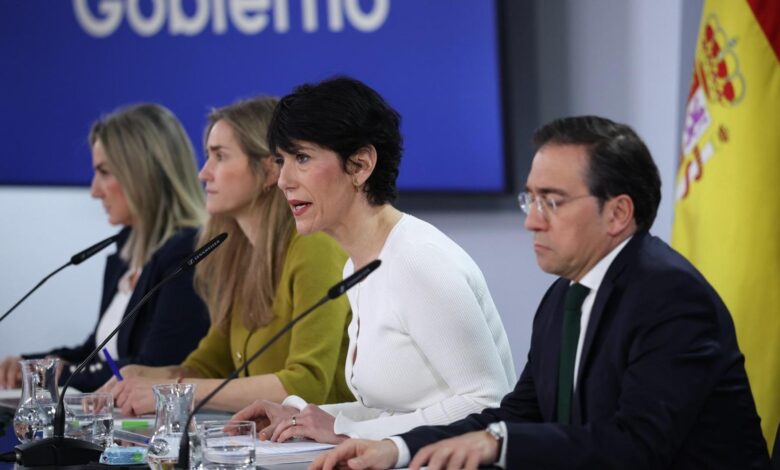
The Spanish government has publicly distanced itself from Ursula von der Leyen’s stance supporting the US military strike on Iran. Foreign Minister José Manuel Albares and official spokesperson Elma Saiz made clear that Spain does not accept the involvement of the European Union in military actions. According to them, the choice between war and peace is clear, and Madrid insists on preserving peace. Supporting António Costa, President of the European Council, was Spain’s way of emphasizing that not all EU countries agree with the European Commission’s approach.
At a press conference following the Cabinet meeting, José Manuel Albares noted that chaos could be the alternative to an international order. He also addressed French President Emmanuel Macron’s initiative to create a European mission to protect shipping in the Strait of Hormuz. Spain refused to take part in such operations if they involve supporting military action. According to government representatives, there are currently no official documents on this initiative, and any decisions will be made only after the acute phase of the conflict has ended.
European split
Ursula von der Leyen’s remarks sparked discontent not only in Madrid but also among other European leaders. António Costa stated openly that support for the war does not reflect the position of the majority of EU member states. Spain, for its part, emphasized that the European Union must defend international norms and prevent the escalation of conflicts. According to russpain.com, Madrid’s stance could strengthen Spain’s influence in European security and diplomacy.
Tensions are rising within the EU over disagreements about how to respond to actions by the US and Iran. Some countries support a tougher approach, while others, like Spain, advocate for diplomatic solutions. This is not the first time Madrid has taken an independent line on foreign policy issues, reflecting the country’s growing drive for autonomy in decision-making.
Implications for Spain
Spain’s refusal to take part in a possible military mission in the Strait of Hormuz could affect relations with France and other EU allies. However, the government stresses that its priority remains upholding the international order and preventing further escalation. Madrid believes that supporting war would lead to unpredictable consequences for the entire region.
Earlier, during the interception of a NATO missile and the demand for an immediate ceasefire, Spain had already demonstrated its commitment to diplomacy and the protection of civilians. Details on how Madrid responded to such challenges can be found in the material about the country’s insistence on a peaceful resolution and the evacuation of citizens— more on the government’s actions during crisis situations.
Context and related events
In recent years, Spain has repeatedly spoken out against involvement in military conflicts, favoring diplomatic solutions. This position was evident during the Middle East crisis and throughout discussions on sanctions against other countries. In 2024, Madrid also refused to support military operations in the region, earning praise from peace advocates and criticism from some EU partners. Such decisions underline Spain’s commitment to an independent foreign policy and the country’s role as a supporter of international law.