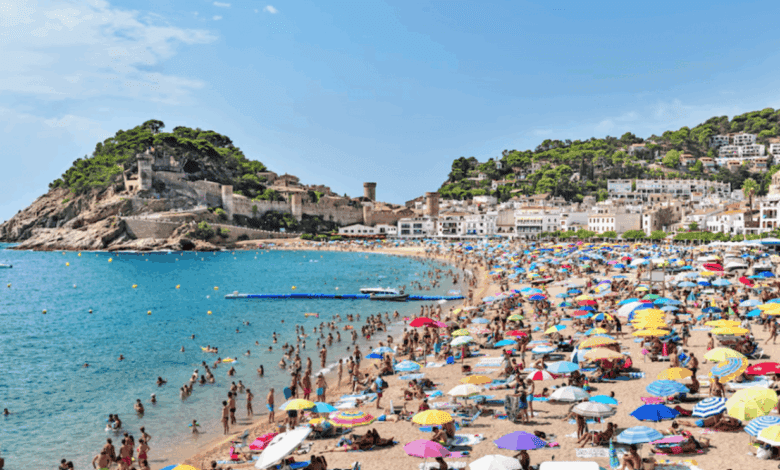
In 2025, Spain is reaching a new milestone in tourism. The country is confidently approaching the mark of 100 million foreign visitors, serving not just as a symbol but as proof of the sector’s resilience. Tourist numbers continue to rise despite recent challenges and changes on the global market.
Experts note that Spain is on the verge of hitting a historic record for international arrivals. This figure is more than just a number—it reflects the country’s reputation and its appeal to travelers from around the world. Such an influx of visitors has a direct economic impact: the tourism surplus is expected to exceed 70 billion euros for the year. Moreover, 2025 indicators are already ahead of the previous period’s results, despite inflation and fluctuating demand.
Economy and employment
Tourism is once again one of the main drivers of Spain’s economy. The sector’s contribution to GDP is returning to pre-pandemic levels, reaching 12.6%. More than 2.7 million people, or 12.3% of all jobs in the country, work in tourism. Compared to 2019, before the pandemic, employment in the sector has grown significantly.
Spending by foreign tourists continues to grow. In the first ten months of 2025, it already exceeded 118 billion euros, up 7% compared to the same period last year. Notably, foreign visitors account for more than half of all sector expenditures. Domestic tourism cannot match the spending volume of international travelers, underscoring the importance of external demand for the economy.
Demand trends
In 2024, Spain already set a record by welcoming 94 million international visitors, marking a 10% increase over the previous year. The growth rate remains strong in 2025: by October, nearly 86 million people had visited the country, 3.5% more than during the same period last year.
Special focus is being placed on emerging market segments. Campgrounds are experiencing a real boom thanks to private investment, though their share of the total is still relatively small. Tourism connected to healthcare and business events is also showing high average spending per client. These segments are becoming crucial to strategies aimed at increasing added value and diversifying the tourism sector.
Competition and challenges
Spain is facing growing competition in the Mediterranean. Greece, Turkey, Croatia, Montenegro, and Albania are actively attracting tourists with competitive pricing and new offers. In this climate, the country must focus on quality and sustainable development to maintain its position in the global market.
The outlook for the future remains cautiously optimistic. Demand is expected to stay stable or even grow slightly in the first half of 2026, barring any major external shocks. Increasing flight bookings and active planning of large-scale events are fueling positive expectations.
Investment and Infrastructure
However, not everything is smooth sailing. The sector faces constraints due to the lack of new government budgets for the third year in a row. This is holding back infrastructure development, digitalization, housing upgrades, and the modernization of popular destinations. To address these challenges, experts propose creating a long-term national investment program for tourism lasting at least 15 years. Such an approach would help Spain remain competitive and adapt to new challenges.
Spain is experiencing a unique moment: its figures for tourist arrivals, revenue, and employment now exceed even the most successful pre-pandemic years. The question is whether the country can maintain its leadership and continue to grow in an environment of shifting demand and mounting competition.