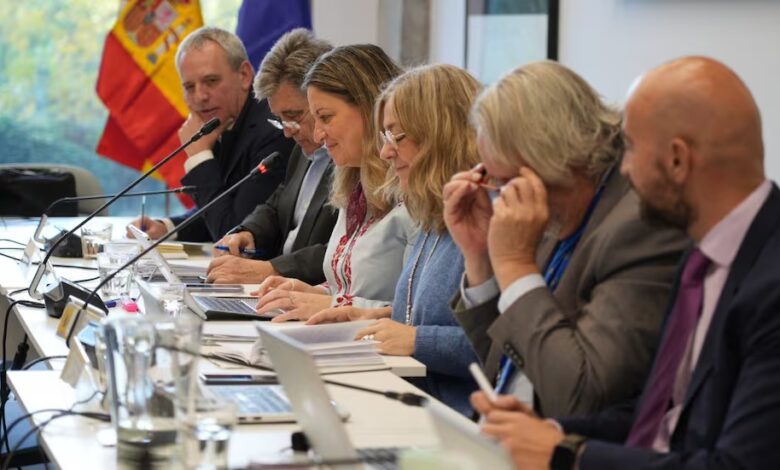
Spain has reached a historic agreement between the government and the largest trade unions, which will impact the lives of millions of public sector employees. Over the next four years, the salaries of 3.5 million civil servants will increase by 11%. This decision is the result of complex negotiations involving representatives from UGT and CSIF trade unions. The third largest union, CC OO, has yet to sign on, but a final decision is expected soon.
The agreement provides not only for a phased salary increase but also introduces a range of changes to labor rights and hiring procedures. As early as 2025, salaries will rise by 2.5% with compensation for the previous period. In 2026, there will be another 1.5% increase, along with a possible additional 0.5% if inflation (IPC) exceeds 1.5%. Further raises are planned for 2027 and 2028, bringing the total promised increase to 11%.
New conditions and career opportunities
In addition to financial changes, authorities have pledged to simplify and speed up hiring procedures. From the announcement of a vacancy to an employee starting work, no more than a year should pass—whereas previously, this process could take two years or more. There are also plans to expand opportunities for internal promotion and professional development, introduce new competitive processes, and update the job classification system.
A key part of the agreement is the commitment to reduce the workweek to 35 hours and introduce flexible employment options, including remote work. Employees based on islands or in remote areas will receive increased living allowances and compensation for work-related travel. These measures aim to eliminate existing pay disparities among different categories of civil servants.
Protection of Rights and New Social Guarantees
The document pays special attention to equality, non-discrimination, and combating workplace violence. Trade unions insist on creating special support programs for victims of harassment and gender-based violence. It also outlines measures to improve working conditions, including psychological support and protection from aggression by members of the public.
Authorities have pledged to review the system of leave and permits to help employees balance work and personal life. Additional health and safety protections are planned for those in public service roles. In the coming years, the list of social benefits for all government sector workers is set to be updated and expanded.
Pension Changes and Compliance Oversight
The agreement discusses the possible introduction of partial pensions for public sector employees, as well as the option to voluntarily extend employment until the age of 72. However, implementing these initiatives will require new legislation, which may take time due to the complex political situation in parliament.
Unions emphasize that they will closely monitor the fulfillment of all terms of the agreement. Within two weeks of signing, a special commission will be established to oversee and ensure the implementation of the arrangements. Public sector workers expect these measures to bring real improvements to their situation and stability amid economic uncertainty.