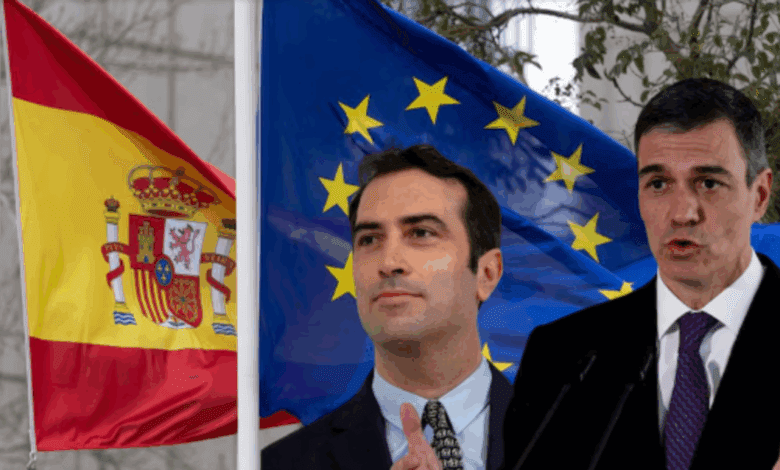
In 2025, Spain is firmly establishing itself as the fastest-growing economy among eurozone countries. The outlook for the coming years is more than optimistic: GDP growth rates are expected to outpace not only local authorities’ forecasts, but also those of other major European nations.
Experts note that domestic demand will be the main driver behind this success. Spaniards continue to spend actively, supported by rising real incomes, easing inflationary pressures, and steady job growth. The revival of consumer activity is energizing the market, and positive trends in the labor market are only accelerating this process.
Investment and reforms: new horizons
The private sector is playing a key role in this economic breakthrough. Companies are showing stable financial health, while government support programs—especially investments in digitalization and environmental projects—are opening up new business opportunities. Thanks to these initiatives, capital formation in the country is gaining momentum, particularly in areas linked to innovation and the green economy.
However, it’s not all smooth sailing. The external trade balance is expected to constrain overall growth in the next two years. The reason is a slowdown in economic activity among key trading partners, which could negatively impact sectors such as tourism and industrial production.
Labor market and demographics: challenges and prospects
The labor market situation remains one of the most discussed topics. Despite optimistic forecasts of falling unemployment, Spain still ranks among the highest in the EU on this indicator. However, the unemployment rate is expected to gradually decline, approaching levels not seen since before the crisis.
Special attention is being paid to migration flows. If the influx of new workers slows, it could hinder job growth and weaken consumer activity. For now, however, the outlook remains positive: the labor market is showing resilience, and companies continue to hire.
Finance and Public Debt: Staying the Course Toward Stability
The country’s financial position is also improving. The budget deficit is narrowing faster than previously expected, and for the first time in several years, public debt will fall below the psychological threshold of 100% of GDP. This progress is due to the gradual phasing out of crisis measures and reduced spending related to recent natural disasters.
At the same time, expenditures on debt servicing and defense will rise slightly, partially offsetting the progress made. Nevertheless, Spain is confidently moving toward fulfilling its financial commitments to its European partners and continues to close the budget gap.
Overall, the country sets an example of sustainable development, combining economic growth with a responsible financial approach. Unless there are major external shocks, Spain is expected to maintain its leadership in the eurozone in the coming years.