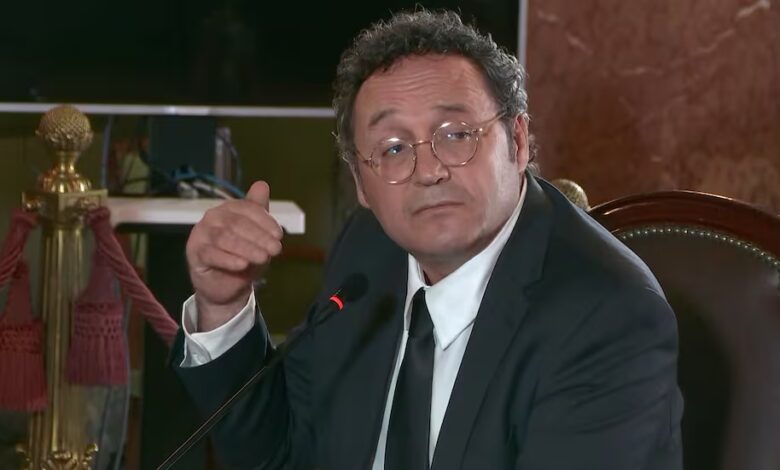
After several days of silent attendance at the hearings, Spain’s Attorney General Álvaro García Ortiz finally made a personal statement in court. He categorically denied allegations that he had leaked to journalists an email in which the lawyer of Alberto González Amador, the partner of a prominent political figure, confessed to committing tax offenses. According to the prosecutor, he did not give this email to any media representatives, and his name was wrongly caught up in the scandal.
García Ortiz admitted that he was responsible for issuing an official press release, which itself is being investigated. However, he insists that the document did not contain any personal data that could have violated the rights of those involved. In his view, the publication was necessary to refute false information spread by the defendant’s entourage.
Final stage of the trial and details of the testimony
The court proceedings have reached their final phase. García Ortiz exercised his right to make a closing statement, as allowed for the accused, and gave a detailed account of the events leading up to the publication of the controversial materials. He pointed out that key facts related to the forwarding of the emails were distorted by the prosecution. Specifically, the prosecutor highlighted that it was González Amador himself who first forwarded the email in question to third parties, including a representative of a political campaign, and gave permission for its further dissemination to the media.
During the interrogation, the prosecutor declined to answer questions from private accusers, focusing instead on clarifications for the court and presenting his own defense. He emphasized that all his actions were aimed solely at protecting the reputation of the institution and ensuring transparency in the prosecutor’s office operations. According to him, publishing the chronology of events in a press release was necessary for objective reporting of the situation and did not contain any information that could harm parties involved in the case.
Why does the prosecutor delete messages and change phones?
The court paid particular attention to the prosecutor’s regular deletion of data from his personal devices. García Ortiz explained that he erases messages and emails from his phones and computers for security reasons. He argued that storing official information on such devices could endanger others in the event of a data leak. According to him, all data is deleted at least once a month, and he changes phones every year. He also keeps his old devices instead of returning them, to eliminate the risk of information being passed on to new users.
The prosecutor stressed that these measures are standard practice for protecting confidential information, not an attempt to hide evidence. He also revealed that he once received a work phone that still bore traces of its previous user, after which he decided to personally oversee the disposal process of used equipment.
The court’s reaction and further prospects
During the hearings, García Ortiz tried to demonstrate that his actions were motivated purely by professional duty and concerns for safety. He insists he had no intention of withholding information or hindering the investigation. The court must now assess how convincing his arguments are and how they will impact the final verdict in a case that has already sparked widespread public debate in Spain.