Debates over the acceptability of euthanasia have reignited in Spain after Noelia Castillo, a 25-year-old Barcelona resident, received approval to undergo the procedure. The decision has sparked broad public reaction, as the question of the right to die by choice remains one of the most contentious issues in Spanish society. The situation gained additional significance due to the involvement of Catholic Church representatives and numerous court proceedings that accompanied the decision-making process.
Luis Argüello, head of the Spanish Episcopal Conference, publicly expressed disagreement with the decision to perform euthanasia. He noted that Noelia’s suffering elicits compassion but argued that relief should not come through ending a life. Argüello also highlighted the ethical aspect, stating that healthcare workers should not act as executors, even if the law permits it. His stance resonated with religious believers, who organized prayer vigils in support of the young woman.
Legal battles
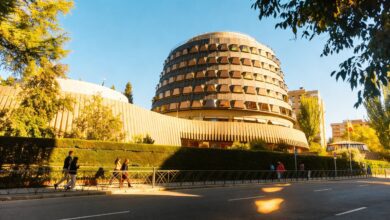
Noelia Castillo’s father opposed the decision to perform euthanasia and initiated legal proceedings in an attempt to halt the procedure. The case moved through several courts: it was first heard in a Catalonian court, then reached the Supreme Court and the Constitutional Court of Spain. All appeals were rejected, and the last attempt to secure a temporary suspension of the procedure also failed. According to Efe, the young woman’s father acted with the support of the Association of Christian Lawyers. However, even an appeal to the European Court of Human Rights did not change the situation—the court declined to intervene in the decision of the Spanish authorities.
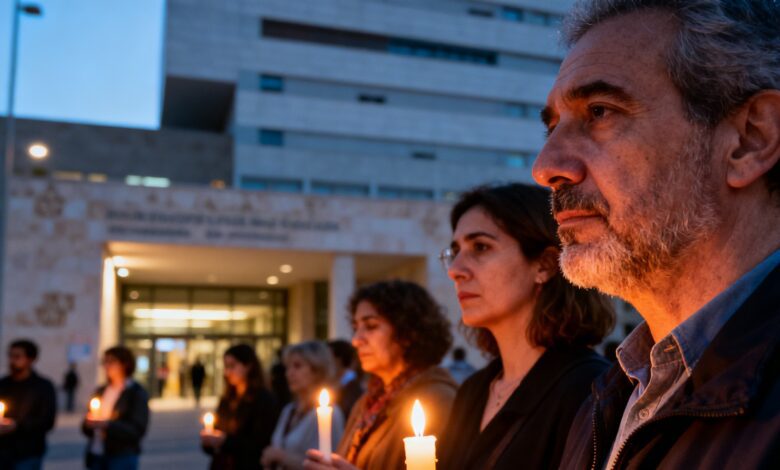
Alongside the legal proceedings, protests and prayer gatherings took place in Barcelona and other cities. On the eve of the procedure, supporters of preserving life and representatives of religious organizations gathered outside the Sant Camil de Sant Pere de Ribes hospital. That same day, another demonstration was held in front of the DGAIA building—the body responsible for the protection of children and adolescents in Catalonia. Lawyers representing the Castillo family also joined the process, continuing to insist on a review of the decision.
Public reaction
The event sparked widespread reaction not only among believers, but also within the cultural community. Renowned pianist James Rhodes, who has previously faced serious personal challenges, reached out to Noelia with an open letter on social media. He offered her his support and urged her to reconsider her decision, promising assistance in obtaining the necessary medical and psychological care. Rhodes’ letter became one of the most talked-about events in the Spanish online space, generating a wave of comments and debate about the boundaries of personal freedom and society’s responsibility.
Educational institutions across Catalonia also held events dedicated to the discussion of euthanasia. Teachers and students took part in debates that considered both the legal and moral aspects of the issue. According to russpain.com, such discussions reflect Spaniards’ growing interest in bioethics and human rights, and also demonstrate how controversial the topic of voluntary end-of-life remains across different segments of society.
Context and similar cases
In recent years, Spain has become one of the few countries in Europe to legalize euthanasia for adults suffering from incurable diseases. Since the law came into force in 2021, the country has seen several high-profile disputes over specific cases, where relatives of patients have tried to challenge decisions regarding the procedure. In 2023, a similar situation occurred in Madrid, where a patient’s family also went to court, but the decision was upheld. Such stories regularly spark public debate, with each new case raising questions about the balance between personal choice, moral standards, and legal boundaries.