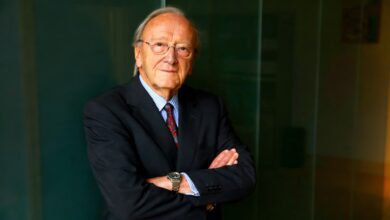
Spain is embroiled in a new round of controversy over the appointment of the juvenile prosecutor. The country’s Constitutional Court has delivered a ruling that could set a precedent for the entire judicial system. The judges found that the annulment of Eduardo Esteban’s appointment as juvenile prosecutor violated his fundamental rights. This decision comes as a surprising blow to the position of the Supreme Court, which had twice overturned Esteban’s appointment citing insufficient justification and other procedural grounds.
The story began when Esteban was nominated as juvenile prosecutor by the then state Attorney General, Dolores Delgado. However, the Supreme Court twice annulled the appointment, sparking widespread debate in the legal community. The judges pointed to a lack of adequate reasons for the nomination and alleged procedural violations. As a result, Esteban was forced to step down, despite already having assumed his duties.
Legal precedent
After reviewing Esteban’s appeal, the Constitutional Court concluded that his right to equal access to public service had been violated. The judges emphasized that the appointment of prosecutors falls within the discretionary powers of the prosecution service, and that judicial intervention in this process should be strictly limited. Four judges issued dissenting opinions, disagreeing with the majority decision, which only fueled further interest in the case.
For the first time in the history of Spain’s judicial system, the Supreme Court has twice overturned the appointment of such a high-ranking prosecutor. This has raised concerns about transparency and objectivity in prosecution procedures, as well as the balance between the judicial and executive branches of power. The Constitutional Court’s decision effectively vindicated Esteban and confirmed the legality of his appointment, despite all previous obstacles.
Internal disagreements
The situation was complicated by the fact that two Attorneys General were replaced during the legal proceedings. This added confusion and sparked rumors of possible political motives in Esteban’s case. Some experts believe that the Supreme Court’s abrupt decisions may have been influenced not only by legal considerations, but also by internal political factors.
Dolores Delgado, who initiated Esteban’s appointment, now serves as the prosecutor for historical memory. Her support for Esteban’s candidacy has become a topic of discussion within the professional community. Many lawyers point out that such situations undermine trust in the institution of the prosecutor’s office and set a dangerous precedent for future appointments.
Implications for the system
The Constitutional Court’s ruling could impact future practices regarding the appointment of prosecutors in Spain. It is now clear that judicial intervention in the discretionary decisions of the Public Prosecutor’s Office must be minimal and strictly justified. Otherwise, as the Esteban case demonstrated, it can lead to prolonged conflicts and violations of individual rights.
The legal community is already debating how this ruling will affect future recruitment processes and appointments. Some believe it will reinforce the position of the Public Prosecutor’s Office, while others worry that similar disputes may become more frequent. One thing is certain: the Esteban case has become a litmus test for the entire system, revealing just how fragile the balance between different branches of power can be.