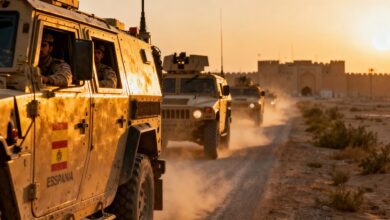
A Spanish flotilla en route to the shores of Gaza with a cargo of humanitarian aid has found itself at the center of a tense situation. With just over two hundred kilometers remaining to Palestinian territory, the crews noticed a sharp increase in military drone activity and suspicious maneuvers by Israeli naval vessels. After a month-long voyage from Barcelona, some ships had already dropped out, but most continue the mission despite the evident risks.
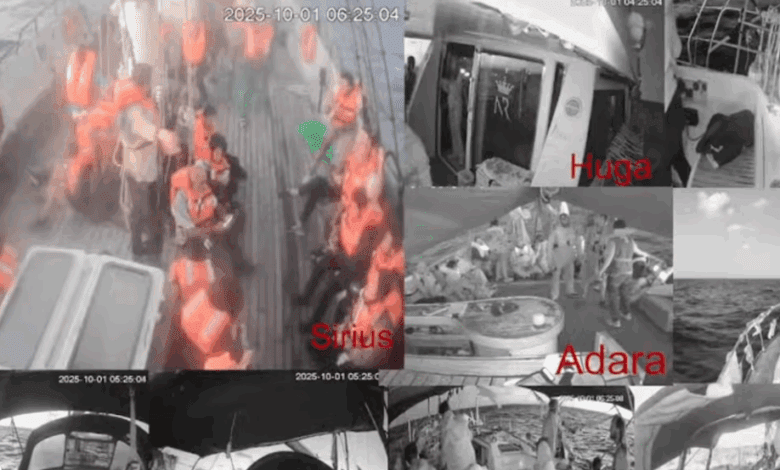
On Tuesday night, the atmosphere on board became particularly tense. The operation leaders warned the crews about a possible attempt at interception. Surveillance cameras on several vessels suddenly stopped working, and the crews began preparing for an encounter with the military. By morning, one of the Israeli ships approached the flotilla, forcing the participants to activate the security protocol. Many rushed to dispose of their mobile phones, throwing them overboard to prevent them from falling into foreign hands.
Soon the first direct confrontation occurred: Israeli forces surrounded the lead ship, completely cutting off its communications for several minutes. The captain had to make a sharp maneuver to avoid a collision. After that, the military vessel turned its attention to another ship, repeating the same actions but for a longer period. Throughout the night, crews recorded the presence of other warships nearby. Now, mission participants expect tensions could rise again in the coming hours and are trying to use any opportunity to rest and prepare.
Last night, the Spanish government once again strongly urged the mission participants to halt their approach to the Gaza Strip. The naval vessel Furor, dispatched for support, was not granted permission to enter the area declared closed by Israeli forces. The Italian ship is also unable to intervene. Officials emphasize that while they value the humanitarian initiative, they believe people’s safety is more important. Despite this, the flotilla has not changed course.
The warships escorting the mission are limited in their actions and will not be able to intervene in the event of an attack or interception—their task is only to rescue people in emergencies. Among participants, there is growing puzzlement: why send an escort at all if it cannot provide protection?
Israeli authorities continue to claim that the ships may be linked to the Palestinian group Hamas, and insist that humanitarian aid be delivered through a port under their control. However, the mission’s organizers disagree: according to them, dozens of aid trucks have been waiting at the border for weeks, while the Israeli side refuses to let them enter Gaza. For this reason, they are not willing to trust promises of a ‘peaceful’ transfer of aid.