The decision to designate several areas of Andalusia as disaster zones has become a key step in the region’s recovery following a series of devastating floods. For residents and businesses, this means access to emergency assistance, while for the authorities, it requires immediate response to the disaster’s aftermath. Safety concerns, infrastructure restoration, and compensation have taken center stage, as the damage has proven to be enormous.
The disaster affected several provinces at once: Cádiz, Málaga, Granada, Jaén, Córdoba, and Sevilla. According to official data, more than 12,000 people were evacuated from their homes, and losses in the agricultural sector have exceeded 3 billion euros. In some areas, houses remain flooded, roads have been destroyed, and rail connections disrupted. The authorities of Andalusia and Spain continue to assess the damage and organize aid for those affected.
Emergency measures
In response to the disaster, the government has approved a special status for the hardest-hit areas, opening access to state and regional support programs. In the coming days, a new set of measures is expected to be adopted, aimed at speeding up infrastructure restoration and compensation payments. Minister Elma Saiz emphasized that this is the first wave of aid, and further decisions will be made as new data on the scale of destruction becomes available.
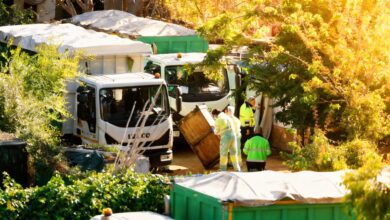
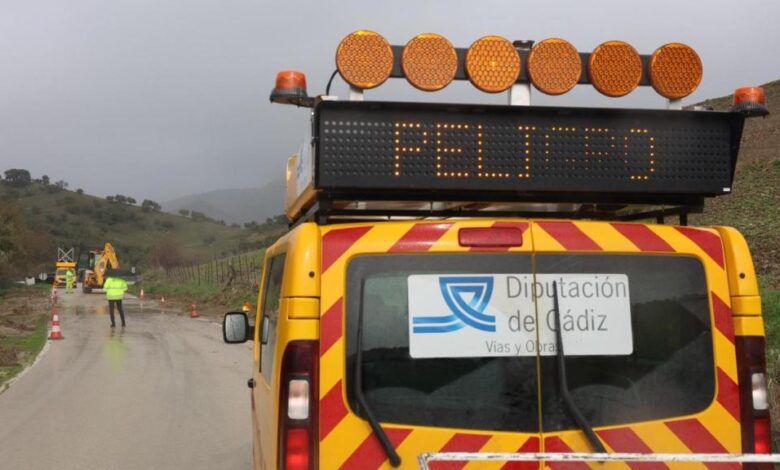
Special attention is being given to restoring transport routes. According to the head of the autonomous community, Juanma Moreno, road repairs alone will require over 500 million euros. Cleanup and road restoration efforts are still underway in several municipalities of Cádiz and Málaga. In some localities, such as Benaoján and Grazalema, families remain evacuated, and local authorities have set up temporary shelters.
Recovery and oversight
The region is under heightened monitoring of hydraulic structures, rivers, and reservoirs. Emergency services and volunteers are working in thirty municipalities most affected by the floods. In Cádiz, Málaga, Sevilla, Jaén, Córdoba, and Granada, inspections of dams and bridges continue, along with technical assessments of damaged sites.
In some areas, such as Lora del Río, Écija, and El Palmar, the situation remains tense due to high water levels. Sections of railway lines in Málaga and Granada are temporarily closed, complicating travel between cities. Authorities are urging residents to exercise caution and follow updates from civil protection services.
Economic impact
The agricultural sector has suffered the greatest losses: fields are flooded, crops destroyed, and livestock farms affected. In some rural areas, such as Campo de Gibraltar and Ronda, damages are estimated at hundreds of millions of euros. Local entrepreneurs and farmers have already started applying for compensation, while the authorities promise to expedite the payment process.
At the same time, work continues to restore electricity and water supply in the affected communities. In some cases, entire engineering networks are being completely renewed. The authorities emphasize that the top priority remains getting people back into their homes and restoring normal life as soon as possible.
Rapid coordination
The response efforts are coordinated through regional and national headquarters. Andalusia has a special flood response plan in place, ensuring emergency services remain on duty around the clock and the situation is continuously monitored. In particular, mobile command centers are deployed in Cádiz, Málaga, and Sevilla, while in Córdoba and Granada mobile crews are working to respond promptly to new emergencies.
Authorities stress that the situation is gradually stabilizing, but the aftermath of the floods will continue to affect the region for a long time. In some areas, recovery work may take months. Looking back at recent events, it’s worth noting that the devastating storm has already caused catastrophic losses for farmers and the tourism sector of Andalusia, and the current crisis has only made the situation worse.
Context and background
Floods are not uncommon in Spain, especially during the autumn-winter period when powerful cyclones hit the south of the country. In recent years, Andalusia has repeatedly faced similar disasters: in 2023, heavy rains caused extensive damage in rural areas, and in 2024, coastal towns were affected. Each time, the consequences have been severe for the economy and social sphere, and recovery demands considerable resources and time. Authorities are forced to rethink risk management strategies and invest in infrastructure upgrades to minimize damages from future natural disasters.