There is growing concern in Spain about how political interests are beginning to influence the country’s key judicial bodies. This trend could undermine public trust in the justice system and threaten the independence of judges. Issues surrounding the transparency and objectivity of decisions are becoming increasingly important to society.
Politics and Courts
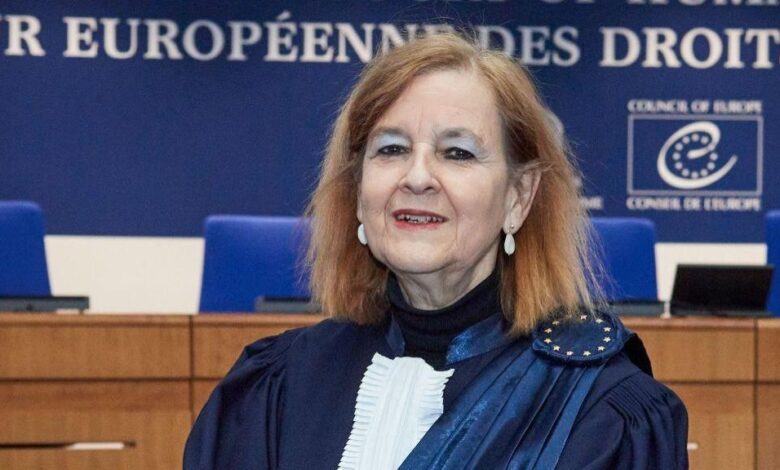
María Elósegui, the first Spanish judge at the European Court of Human Rights, has openly voiced concern over the delayed renewal of the General Council of the Judiciary (Consejo General del Poder Judicial, CGPJ) and the Constitutional Court. In her view, when the executive and parliament postpone these processes for their own interests, it sets a dangerous precedent. She believes that such practices could lead to arbitrariness and weaken the independence of judicial bodies.
Particularly troubling is a potential reform that would allow political parties to directly appoint members of the Judicial Ethics Committee. According to Elósegui, such a move could reduce the committee’s autonomy and further increase political influence over judicial decisions. She stresses that judicial independence is the foundation of fair justice, and any attempts at interference should be a cause for concern.
Problems with Appointments
The judge points out that the failure to update the composition of the CGPJ in a timely manner has already drawn criticism from the European Court of Human Rights. While Elosegui does not believe that Spain’s entire judiciary is politicized, she acknowledges that isolated cases can negatively affect public perception. She insists that appointments to judicial bodies must be based solely on professional merit and experience, not political motives.
In the interview, she also voiced concerns about the widespread use of temporary judges, which she believes may undermine the quality of judicial decisions. Elosegui advocates for open competitions and examinations for appointments within the judiciary to ensure a high level of professionalism and objectivity.
Freedom of opinion and the law
The issue of freedom of expression for judges remains controversial. Elosegui believes that members of the judiciary should exercise restraint in their public statements to maintain trust in their impartiality. However, she acknowledges that judges have the right to discuss matters important to society as long as it does not interfere with their work.
Elosegui pays particular attention to the euthanasia law. She points out shortcomings in the current legislation, noting a lack of sufficient judicial safeguards to protect vulnerable citizens. In her view, stronger oversight is needed, along with closer cooperation between judicial and administrative procedures, to prevent potential abuses.
Reaction and consequences
Spain has already seen cases where court rulings have sparked heated debates and become topics of national discussion. For example, a recent controversy erupted over court costs after the prosecutors sought to overturn nearly €80,000 in fees, which drew widespread attention and debate over how such cases should be handled. More details can be found in the article about the dispute over court costs in Madrid.
According to Ale Espanol, Elosegui also notes that the Supreme Court of Spain is actively working to implement decisions of the European Court of Human Rights, especially on cases related to the protection of vulnerable groups. She emphasizes the importance of continually improving legislation and judicial practice to prevent violations and build trust in the system.
In recent years, Spain has faced a growing number of disputes over the appointment of judges and the reform of judicial bodies. In 2025, there was a proposal to change the process for appointing members of the Constitutional Court, which sparked a wave of criticism from the professional community. In 2024, the country also debated issues of transparency in the judiciary and stricter oversight of citizens’ rights. These developments show that the independence of the judicial system remains one of the most pressing and debated topics in Spanish society.