The question of the former King Juan Carlos returning to Spain has become unexpectedly contentious across the country. The government’s decision to declassify secret documents regarding the events of February 23 (23F) has sparked a new wave of debate, affecting not only politics but the monarchy itself. For Spaniards, this is more than a dispute over an individual—it’s a matter of trust in the state’s institutions and a reflection of how the country views its leaders and their actions.
Political divide
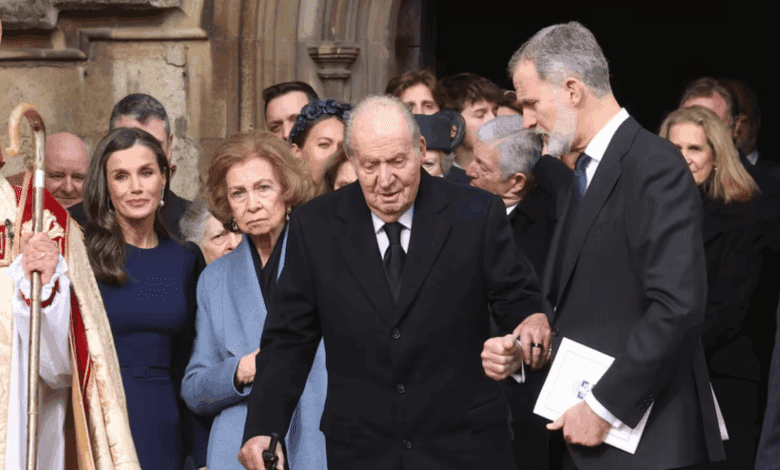
Following the release of the 23F archives, which many experts deemed less sensational than anticipated, the spotlight shifted to Juan Carlos himself. The Partido Popular (PP) and right-wing groups have actively supported the idea of the former king’s return, arguing that his role in preventing the coup outweighs his previous scandals. Meanwhile, the government and reigning monarch Felipe VI have taken a firm stance: a return is possible only if two conditions are met—an open declaration of tax residence in Spain and a refusal to reside at the official La Zarzuela residence.
This demand is justified by the need for transparency: the state is unwilling to fund the stay of someone widely believed to have evaded taxes and hidden substantial sums abroad. According to El Pais, it is Felipe VI himself who insists on these conditions, aiming to prevent the mistakes of the past and maintain trust in the monarchy.
Internal disagreements
A real struggle over the interpretation of the situation has erupted within political circles. Members of the PP argue that the government is deliberately complicating Juan Carlos’s return to distract from other issues. However, sources close to Felipe VI emphasize that it is the current king who is most interested in ensuring his father does not return under the same conditions, as the reputation of the monarchy depends directly on the transparency and lawfulness of its representatives.
The government believes that PP leader Alberto Núñez Feijóo has put the monarch in a difficult position by forcing him to explain why the former king has not yet returned. Conservative and far-right circles are criticizing Felipe VI for not supporting his father’s return. At the same time, according to the government, this very stance strengthens public trust in the monarchy.
Money and trust
The key issue is finances. According to El Pais, Juan Carlos does not wish to return as an ordinary citizen, preferring to maintain his tax residency abroad and not disclose the sources of his wealth. Authorities and the monarchy consider this unacceptable: for the former king to return, he must live by the same rules as all other citizens.
In this situation, the PP insists it does not interfere with the conditions set by the royal family, but supports the very idea of the return. They are confident that they represent the views of most of their voters, as well as a portion of other parties’ electorates. However, the opening of this debate has created a new fault line in Spanish politics, dividing those who support Juan Carlos and those who support Felipe VI.
Monarchy under pressure
The open discussion about the conditions for the former king’s return forced Felipe VI to publicly distance himself from his father, renouncing the inheritance and limiting Juan Carlos’s participation in official events. This decision was made after financial dealings by Juan Carlos came to light, which nearly undermined trust in the current monarch.
The surge of interest in the monarchy and its role in modern Spain coincided with the publication of secret documents on 23F. As noted in the report about the release of the 23F archives, such government decisions often become grounds for new political debates and a reexamination of the country’s past.
In recent years, Spain has already seen heated debates about the role of the monarchy and the responsibility of former leaders. After the abdication of Juan Carlos and his departure abroad, the public has repeatedly discussed how former heads of state should conduct themselves and what standards of transparency should apply to them. Similar debates have arisen following the publication of other archival documents related to historical events, when society demanded greater openness and honesty from the authorities. These developments show that issues of trust and accountability remain central for modern Spain.