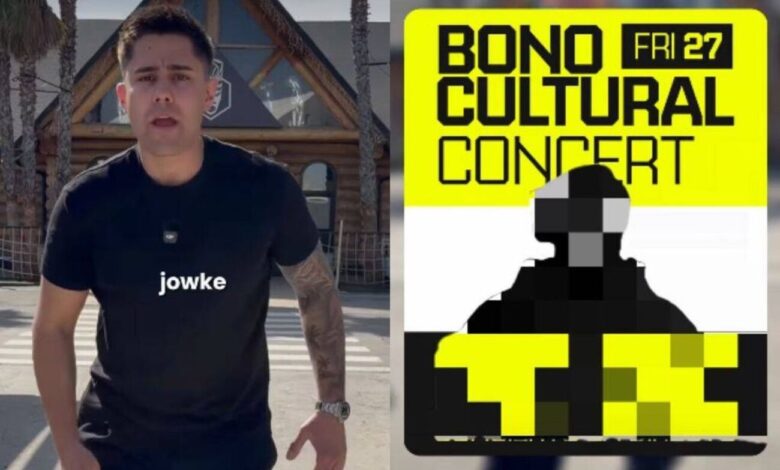
A new debate has erupted in Spain over how young people can use government support for cultural activities. The controversy began in Madrid, where the popular nightclub Jowke offered entry tickets payable with the youth cultural bonus. This initiative sparked immediate discussion and raised questions about whether public funds should be spent on nightlife entertainment.
At the heart of the controversy are the rules for using the bonus, which is intended for young people who have turned 18. The government designed the 400-euro benefit to help youth attend theaters, museums, concerts, and other cultural events. However, after a video surfaced online showing a Jowke representative inviting young people to use the bonus for party admission, a lively reaction unfolded in the media and on social networks.
Authorities’ response
Spain’s Ministry of Culture quickly responded to the situation, reminding the public that the bonus is not meant for buying drinks or paying for regular parties. According to El confidencial, authorities emphasized that if the bonus is used improperly, the money will have to be returned and violators could face sanctions. Meanwhile, club representatives claim the offer applies only to tickets for concerts and special shows, not for purchasing alcohol or other services.
In one interview, the owner of Jowke explained that the practice of allowing cultural event tickets at nightclubs to be purchased using a cultural bonus has been around for several years. However, public discussion of the topic only emerged after the video was published. He noted that many venues partner with ticketing services, allowing young people to buy concert tickets using government support.
Club’s position and event details
In response to criticism, Jowke representatives announced a special event—a concert for which tickets can be purchased with the cultural bonus. The organizers emphasized that the bonus does not cover expenses for drinks or additional services, but only grants entry and participation in the concert. Those who buy tickets in the usual way are offered extra privileges, such as complimentary drinks.
The club owner also stressed that the aim of this offer is to show that nightlife can be part of the cultural program, especially in cases of concerts and artist performances. According to him, such initiatives allow young people to discover new ways to spend their leisure time and promote the growth of cultural events in night venues.
Public reaction
Scandal over the use of the cultural bonus in nightclubs sparks broad debate among Spaniards. Many are discussing where to draw the line between culture and entertainment, and how the state should monitor the spending of support funds. Some argue such measures increase young people’s access to culture, while others believe it undermines the original intent of the aid.
According to El confidencial, after the case became public, authorities promised to strengthen oversight of the bonus program and reminded people of the need to follow regulations. Clarifications on which types of events are eligible for public funding are expected soon.
In recent years, there have been repeated debates in Spain about how young people use state subsidies and bonuses. For example, there were earlier discussions about purchases of video games and other goods not traditionally considered part of culture. Such incidents regularly prompt rule adjustments and tighter government controls. As a result, each new decision in this area attracts lively public interest and debate.