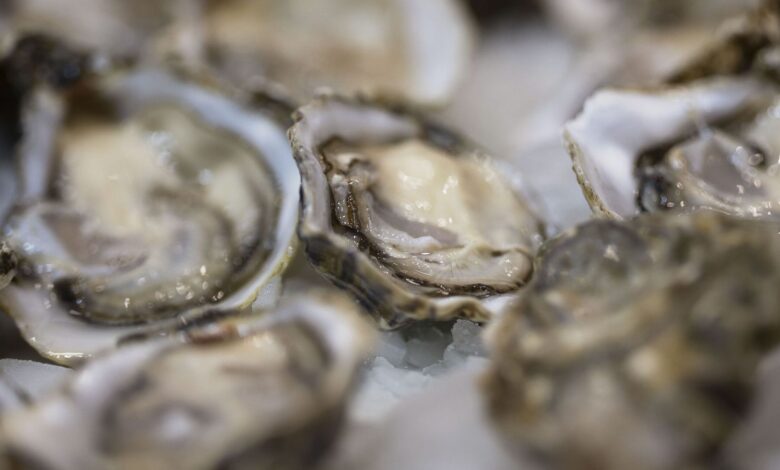
The sudden suspension of Spanish oyster supplies to Hong Kong has sent an alarming signal throughout Spain’s food industry. The decision comes amid a sharp rise in poisonings linked to the consumption of raw shellfish. For Spanish producers, this means not only reputational damage but also potential economic consequences, as the Asian market remains one of the key export destinations for seafood.
Emergency measures
Hong Kong authorities immediately banned the import and sale of oysters from the Spanish company Mariscos Escacha, S.L. The move comes after dozens of food poisoning cases were reported in early February. All restaurants and retail outlets were instructed to stop selling products from the specified plant and to withdraw any remaining stock from circulation.
At the same time, large-scale inspections began at venues where oysters were served. Inspectors thoroughly examined storage conditions, temperature controls, and sanitary documents. Special attention was paid to traceability of batches and the presence of safety certificates. As a result, additional cases tied to other suppliers, including those from South Korea, were identified.
The investigation is ongoing
The investigation revealed that some of the infected individuals had consumed oysters supplied by the Korean company Seojun Mulsan Co., Ltd. This prompted a similar ban on the import and sale of this producer’s products. Several other cases were linked to local distributors Jeton International Foods and 88 Investment Holdings Limited, forcing authorities to expand restrictions to the entire range of products from these firms.
From February 6 to 12, Hong Kong conducted unscheduled inspections in more than 1,200 establishments serving raw shellfish. Inspectors checked not only refrigerators and storage rooms, but also staff hygiene and compliance with all sanitary standards. Samples were taken for laboratory analysis, and business owners were given recommendations on preventing new outbreaks.
Health risks
Authorities remind the public that oysters can accumulate dangerous bacteria and viruses if grown in polluted waters. The most common threats include Vibrio parahaemolyticus, Vibrio vulnificus, norovirus, and hepatitis A virus. Pregnant women, children, the elderly, and people with weakened immune systems or liver disease are particularly vulnerable. For these groups, eating raw seafood can lead to serious consequences.
Norovirus, which often becomes more active in winter, is highly contagious. Symptoms include nausea, vomiting, diarrhea, abdominal pain, and general malaise. Such outbreaks can spread quickly, especially in mass catering environments.
Control and consequences
The Hong Kong authorities have already notified Spanish bodies about the situation and are continuing their investigation. If new risks are identified, restrictions may be tightened. The entire seafood industry has come under close scrutiny, forcing suppliers to reconsider their safety standards and logistics.
In recent years, cases of mass seafood poisoning have been reported not only in Asia but also in Europe. In 2024, a similar outbreak occurred in France, where dozens were hospitalized after eating raw oysters. The cause was a bacterial infection linked to violations of sanitary norms during transportation. Spain has also imposed temporary restrictions on shellfish exports more than once after detecting contamination in harvesting zones. Such incidents underscore the importance of strict quality control and supply chain transparency at every stage.