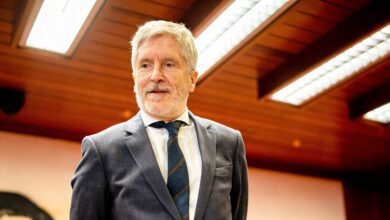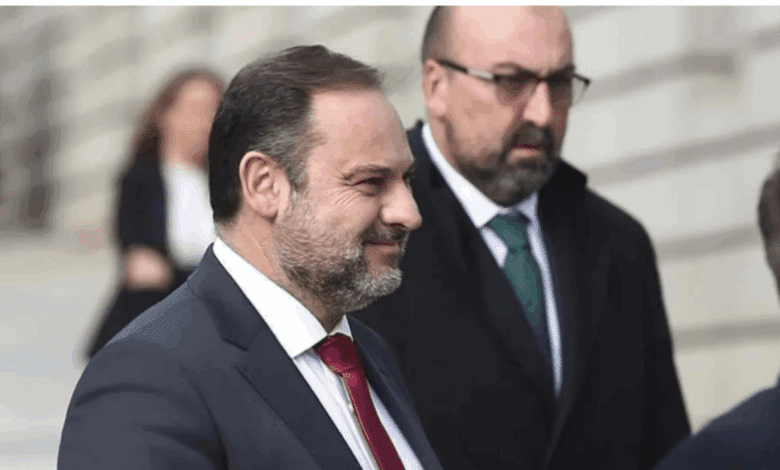
A high-profile hearing is scheduled for early January in the Spanish Senate: former Transport Minister José Luis Ábalos, currently in custody, is set to appear before the commission investigating the Koldo case. The decision to summon Ábalos was secured by the Partido Popular (PP), which holds an absolute majority in the upper house. The politician, who is awaiting trial, will be a key witness in a probe into alleged corruption and abuse of power during his time in government.
In January, the Senate will continue commission work despite the holiday season. Representatives of the Partido Popular stress that Ábalos must reveal details not only about his own actions, but also about the role of Prime Minister Pedro Sánchez and possible irregularities related to campaign financing and contracts with private firms. According to Alicia García, PP spokesperson in the Senate, the party expects the former minister to give frank answers about how key decisions were made and who was behind them.
The summons procedure
Since Ábalos is in custody, the Senate will send an official summons to Soto del Real prison, as well as notify the relevant government bodies and the Supreme Court. The manner of his participation in the hearings remains undecided — judicial and penitentiary authorities must make a determination. PP representatives stress that Ábalos was one of Sánchez’s closest allies and must explain how he managed public funds and what role he played in the alleged schemes.
A criminal case has already been opened against the former minister. Judge Leopoldo Puente launched legal proceedings in December against Ábalos, his former adviser Koldo García, and businessman Víctor de Aldama. They are accused of involvement in a criminal organization, bribery, abuse of office, use of insider information, influence peddling, embezzlement of public funds, document forgery, and exceeding authority. Ábalos’s lawyer, in turn, is demanding that the case be heard by a jury.
Audit and suspicions
At the same time, discussions continue regarding the results of an internal audit initiated by the Socialist Party (PSOE). The report, prepared by two professors from the Universidad Autónoma de Madrid, claims that all cash flows in the party’s accounts were transparent, with no unauthorized transactions detected. However, the auditors noted several suspicious expenses linked to Ábalos and his team, including expensive lunches, bills for children’s menus, and unusual restaurant spending on public holidays.
The Partido Popular (PP) has questioned the objectivity of this audit, pointing out that it was commissioned by PSOE itself. Nevertheless, PP representatives believe that certain findings deserve attention, especially regarding excessive spending on meals and other services. Alicia García sarcastically remarked that the cost of some lunches would raise eyebrows among ordinary citizens.
Political context
Summoning Ábalos for a hearing right after the New Year holidays is part of PP’s strategy to keep public attention focused on corruption scandals involving the government. Party representatives say this move is intended to prevent the socialists from taking advantage of a ‘Christmas amnesia’ to dodge responsibility for the ongoing investigations. The trial of the former minister is expected to begin in early 2026, putting the issue back in the national spotlight.
At the same time, the PP has not disclosed the date when former Prime Minister José Luis Rodríguez Zapatero will be called for similar hearings. Previously, the party announced plans to question him regarding possible links to individuals involved in the Plus Ultra case—the airline that was bailed out by the government. Specifically, the focus is on Zapatero’s meeting with one of the suspects just days before his arrest.
Commission proceedings
The Senate has become an important platform for the People’s Party to put pressure on the government. The commission investigating the Koldo case will continue its work next year, with some witnesses potentially being summoned again. In December, former PSOE organization secretary Santos Cerdán testified twice. The most high-profile event of the year was the appearance of current Prime Minister Pedro Sánchez at the hearings, although the questioning received mixed reactions and failed to produce the outcome anticipated by the opposition.