A Historic Verdict and Its Consequences
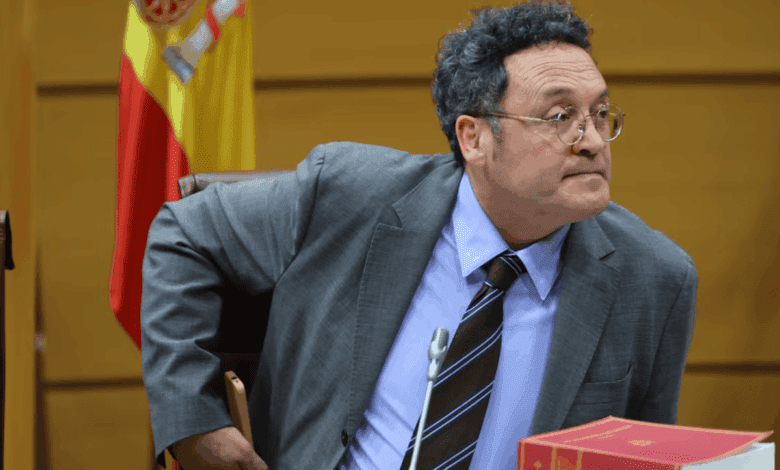
On November 20, 2025, the day the country marked fifty years since Franco’s death, Spain’s Supreme Court delivered an unprecedented verdict: the State Attorney General was banned from the profession for two years and handed a hefty fine. The event sent shockwaves through the country’s political and legal elite, as well as among ordinary citizens. For the first time in history, such a high-ranking figure from the prosecutor’s office was put on trial and found guilty of disclosing confidential information.
The response to the verdict was immediate and intense. Conservative groups hailed the court’s ruling as a long-awaited victory, while their opponents saw it as an alarming sign of judicial politicization. That same day in Madrid and other cities, the verdict became the main topic of discussion for politicians, journalists, and the general public.
Political Division and Public Outcry
On the right, parties and their supporters made no secret of their joy: they had long criticized the chief prosecutor, accusing him of bias and misconduct. Leaders of regional administrations whose associates came under high-profile investigations openly celebrated the court’s decision. At the same time, representatives of left-wing parties and government institutions barely concealed their outrage, calling the verdict unjust and a threat to democracy.
Particular confusion was caused by the fact that a guilty verdict was handed down without convincing evidence of direct guilt. During the trial, journalists testified contradicting the prosecutor’s involvement in the information leak, yet the judges ruled in favor of the prosecution. Moreover, the reasoning behind the verdict was not made public immediately, further fueling suspicions and mistrust.
Judicial System Under Pressure
There is growing anxiety within the judicial system itself. Many judges and prosecutors fear that such a high-profile case will undermine trust in the justice system, which is already at a low point among the public. According to surveys, the majority of citizens rate the courts’ work extremely negatively. Progressive judicial associations have issued statements warning that such decisions only deepen divisions in society and among magistrates themselves.
The Supreme Court has found itself in the spotlight before. In recent years, it has made a number of controversial rulings on cases involving former high-ranking officials, members of parliament, and even issues related to the independence of Catalunya. Each time, the final verdicts have sparked heated debates and accusations of political bias.
Politics and Justice: The Lines Are Blurred
Spain has long seen a trend of overlap between its judicial and political spheres. Major corruption scandals, investigations involving both government members and the opposition, as well as high-profile cases against leaders of regional movements, have become part of everyday political battles. Court decisions are often used as arguments in public debates, while judges and prosecutors themselves face pressure from various political forces.
A key issue in this process is the appointment of judicial officials. For years, the renewal of the judiciary’s governing bodies was blocked, allowing control over major decisions to be maintained. Efforts to reform the system and make it more independent have met with resistance and sparked fresh scandals.
The future of Spanish justice in doubt
Recent developments have revealed just how deeply political polarization has permeated the country’s judicial system. Even within the Supreme Court, opinions on high-profile cases are strictly divided along ideological lines. This undermines trust in institutions and creates the sense that justice has become just another battleground for political conflict.
The question of how to respond to the spread of false information and where the boundaries of official responsibility lie remains unresolved. Judges acknowledge that it is not always clear where the line is drawn between protecting the reputation of state institutions and breaking the law. Meanwhile, society and the elite continue to debate who should be held accountable for their actions and how, as Spain’s judicial system may be experiencing its most challenging period in decades.