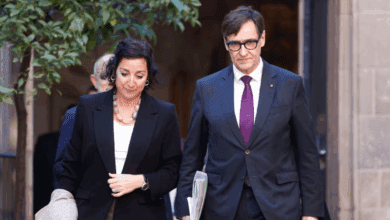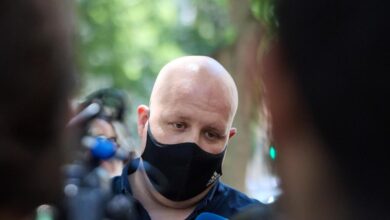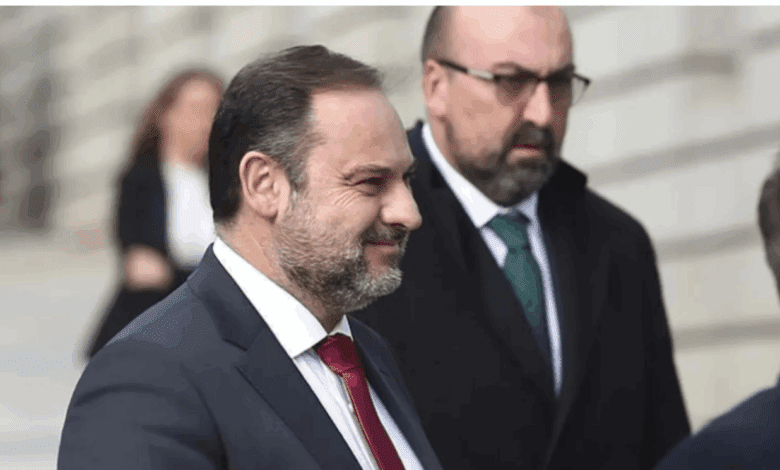
This Thursday, Spanish public attention is focused on the fate of former minister José Luis Ábalos and his ex-advisor Koldo García. Both men are at the center of a high-profile corruption investigation related to the purchase of medical masks during the height of the pandemic. Supreme Court judge Leopoldo Puente has summoned them for a hearing, where the court will decide whether to toughen the current restrictions, including the possibility of pre-trial detention. At present, Ábalos and García are required to regularly check in with the court, have surrendered their passports, and are not permitted to leave Spain. However, prosecutors are demanding stricter measures.
The push to reconsider the terms of their custody comes from the anti-corruption prosecutor’s office and representatives of the public prosecution. The latter are demanding the immediate arrest of the suspects, citing a high flight risk, especially as the trial approaches. While the prosecution has not yet revealed its final stance, it is known that the office is also advocating for tougher restrictions, which could lead to the detention of both defendants.
Charges and Potential Consequences
The case before the Supreme Court concerns alleged fraud in the awarding of mask supply contracts for government needs during the COVID-19 pandemic. Investigators believe that high-ranking officials and intermediaries, who received large sums for organizing the deals, were involved in the scheme. Among the accused are not only Abalos and Garcia, but also businessman Víctor de Aldama, who, according to investigators, played a key role in the allocation of contracts.
Judge Puente had previously rejected motions for pre-trial detention, but noted most recently that the risk of flight increases as the trial approaches. Now, with the prosecution and civil plaintiffs demanding tougher measures, the situation for Abalos and Garcia is becoming critical. The indictments include serious charges: running a criminal organization, bribery, abuse of office, influence peddling, and embezzlement of public funds.
Positions of the parties and the course of the trial
Prosecutors are seeking a 24-year prison sentence for Abalos and 19.5 years for Garcia. Civil plaintiffs are pushing for even harsher penalties—up to 30 years for each. In addition, the accused face substantial fines and obligations to compensate the state-owned companies Ineco and Tragsatec, where, according to investigators, Abalos’s former partner had been employed.
For Víctor de Aldama, the prosecution is requesting a 7-year prison sentence, taking into account his guilty plea and cooperation with investigators. He provided documents that, according to the investigation, have significantly advanced the case. For Ábalos and García, the situation is complicated by the fact that the prosecution is pushing for stricter pre-trial measures, which could result in their immediate arrest.
Court decision and next steps
Judge Leopoldo Puente is expected to make his decision based on the position of the anti-corruption prosecutor. Several scenarios are possible: from imposing a significant bail to unconditional detention. If Ábalos and García are taken into custody, the trial could draw even greater public attention, making it one of Spain’s most high-profile corruption cases in recent years.
It remains unclear which measure the court will ultimately choose. However, it is already evident that the fate of the former minister and his adviser depends on the prosecutor’s stance and their assessment of the flight risk. A court decision could be announced within the next few hours.
As RUSSPAIN.COM previously reported, the hearing on precautionary measures for Ábalos and Koldo García was scheduled for November 27. Read our material for more on the ongoing developments and key details of the case. “The Supreme Court of Spain will review the status of Ábalos and Koldo García’s freedom on November 27”.