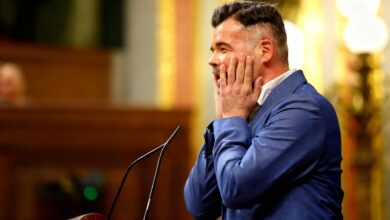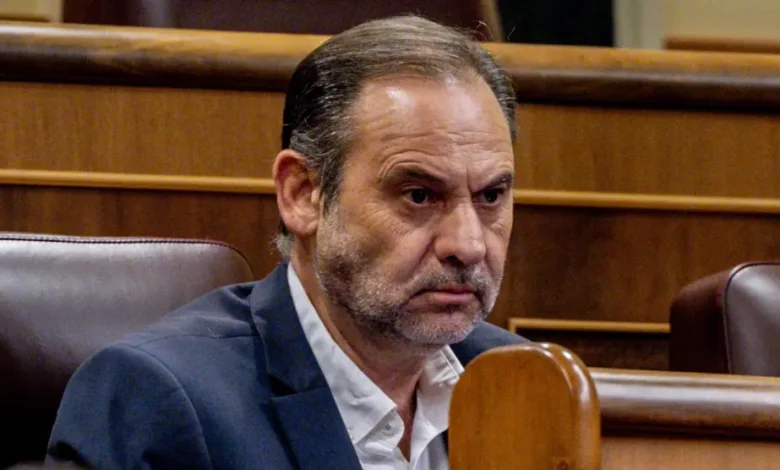
Spain’s Supreme Court is preparing for one of the most anticipated trials in recent years. Former transport minister José Luis Ábalos, his ex-advisor Koldo García, and businessman Víctor de Aldama—considered a key intermediary in the alleged corruption scheme—will take the stand. The main hearings are scheduled for April, but the defense will already attempt in February to have the case dismissed.
In February, judges will hold a preliminary hearing to listen to the arguments presented by the defense attorneys. The defense insists the case should not proceed to trial, arguing that serious procedural violations occurred during the investigation. On the same day, the court will also decide what evidence and witnesses will be permitted, should the hearings move forward.
Key figures
At the center of the case are not only the former minister but also his closest associates. Koldo García, who previously served as Ábalos’s advisor, became a central figure in the scandal over the distribution of government contracts. Víctor de Aldama—described by investigators as a ‘fixer’ (conseguidor)—reportedly acted as a go-between for officials and private companies.
The charges against this trio concern possible misconduct in awarding contracts for medical supplies at the height of the pandemic. Investigators allege that the scheme allowed certain companies to secure lucrative deals while bypassing competitors. However, the defense insists there is no evidence and is calling for the case to be dismissed.
Courtroom suspense
The February hearing promises to be tense. If the judges side with the defense, the proceedings may end before they begin. However, should the pretrial objections be rejected, substantial hearings will commence soon after Easter. In that case, Spain is set to witness one of the most high-profile court cases of recent years this April.
The admissibility of evidence and the witness list will also be decided in the preliminary phase. This could significantly influence the course of the case. If key evidence and testimony are allowed, the prosecution’s position will be strengthened. But if the court restricts the scope of evidence, the defense will have a real chance at success.
Political resonance
The Abalos case has already sparked major public debate. There is ongoing discussion about transparency in government procurement and the accountability of top officials. Many observers believe the outcome of this trial could set a precedent for future anti-corruption investigations in Spain.
At the same time, political opponents are using the situation to criticize the current administration. Questions about oversight of public spending and transparency of procedures are once again in the spotlight. The court proceedings promise to be a litmus test for the entire system of government.
Expectations and forecasts
It remains unclear what fate awaits the accused. Supreme Court judges are known for their strict standards, and any decision will have far-reaching consequences. If the defendants are acquitted, it could deal a blow to the reputation of the investigative authorities. If the charges are upheld, the consequences for the political elite could be significant.
In any case, the April trial is shaping up to be one of the year’s most talked-about events. Spanish society is closely following developments, expecting a fair and transparent process. Questions remain unanswered, and the intrigue continues to grow.