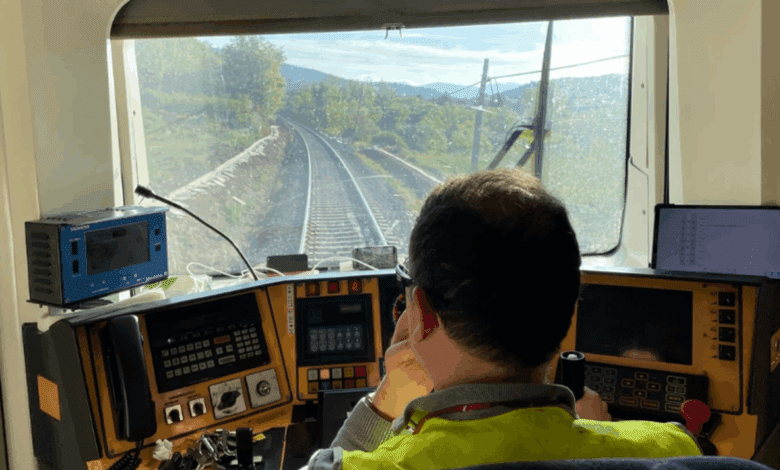
Spain faces a looming transport crisis as train drivers from all of the country’s railway companies have announced a three-day strike scheduled for February 9, 10, and 11. The walkout follows a series of recent railway tragedies that claimed the lives of staff and passengers. Workers are demanding urgent safety reforms and accuse authorities of inaction and neglecting the industry’s problems.
Within a single week, the nation’s railway network has been thrust into the spotlight by a string of accidents. In Maçanet de la Selva (Girona), a train derailed after a massive boulder fell onto the tracks—fortunately, no lives were lost, but the incident set off alarm bells. The situation turned tragic in Gelida (Barcelona), where a collapsed wall crushed a railcar, killing the train driver and several passengers. Another operator died in Adamuz (Córdoba), which proved to be the breaking point for the unions.
Outrage and demands
Railway unions, including CGT and SEMAF, have issued strong statements. They claim that the government and private companies have been cutting safety costs for years, undermining the system for the sake of profit. Instead of investing in infrastructure and staff training, they say, authorities have shifted responsibility to workers and are now trying to blame them for the recent tragedies.
CGT insists: “We will not allow the dismantling of the railway, which must remain safe, environmentally friendly, and fair.” Union representatives are calling for unity and demanding that decisions be made by the workers themselves, not imposed from above. SEMAF, for its part, describes the situation as “unacceptable,” demanding not only immediate improvement in working conditions but also criminal accountability for those responsible for infrastructure safety.
Safety at Risk
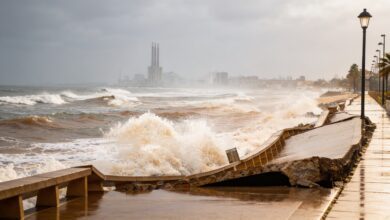
Key demands include a general strike, the introduction of strict safety protocols during adverse weather conditions, as well as granting train drivers the right to independently assess risks along the route and reduce speed at the slightest suspicion of danger. Unions emphasize that failure to take urgent measures will lead to repeated tragedies.
Special attention is being paid to the situation in Catalonia, where after the wall collapse in Gelida, the possibility of suspending Rodalies commuter train services is being discussed until all safety measures are guaranteed. According to train drivers, reopening lines without proper inspection is playing with people’s lives.
Authorities Respond
Transport Minister Óscar Puente expressed sympathy for those affected and acknowledged the workers’ anger as justified. However, he questioned the effectiveness of the strike as a method of pressure, stating that dialogue is the best way to resolve problems. Nevertheless, unions remain resolute: they believe only radical measures can force authorities to listen to their demands.
Other major groups, such as CCOO, have also supported the protests. They are demanding clear and coordinated protocols between Renfe, Adif, and civil protection services. If the situation does not change, the union has promised further strikes and pressure actions to achieve real change.
The price of inaction
In recent years, Spain’s rail network has faced ongoing deterioration of tracks and infrastructure. Workers claim that cutting costs on safety has become standard practice and that tragedy is only a matter of time. Passengers, trapped by the situation, are demanding guarantees that their lives will not be put at risk for the sake of saving money.
While authorities and unions argue over methods, train drivers insist that safety is not up for compromise. Their determination is clear, and the strike is expected to be the largest in recent years. Spanish railways are on the verge of change, and the cost of delay could be too high.