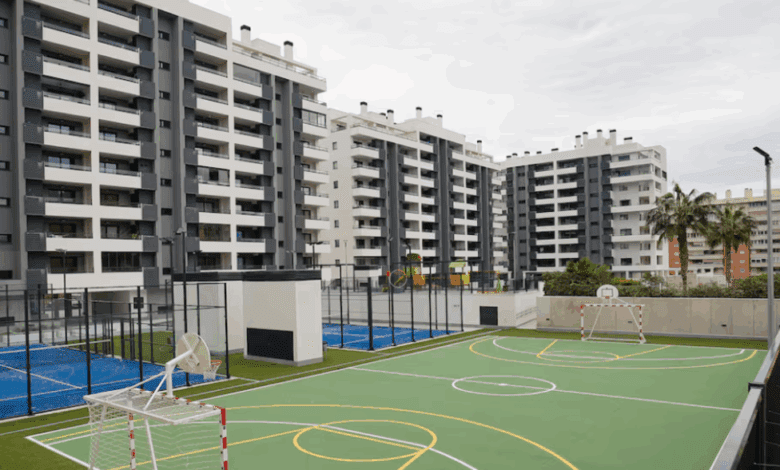
The housing allocation scandal in Alicante has become one of the most talked-about topics in Spain, impacting not only local authorities but the entire system of state-run programs. Questions of transparency and fairness in social housing distribution have become particularly pressing after it was revealed that relatives and close associates of high-ranking officials were among the beneficiaries of subsidized apartments. The incident sparked a wave of public discontent and cast doubt on the credibility of government institutions.
Miguel Ángel Sánchez, who held the position of chief of staff for the Minister of Industry and Tourism in the Generalitat Valenciana, resigned after his indirect connection to one of the housing recipients came to light. According to the investigation, the mother of his two daughters, from whom he officially divorced two years ago, was among those who received an apartment at half the market price. Sánchez insists he had no involvement in the allocation process and did not influence the commission’s decisions.
A wave of resignations
This case marks the third dismissal linked to the ongoing investigation. Previously, the head of the city planning department, Rocío Gómez, who was also found to own one of the apartments, and the director of the municipal department, María Pérez-Hickman, left their posts. Not only did they receive housing, but so did their relatives—children, nieces and nephews, and the spouse of one of the municipal architects. The latter was temporarily suspended from work.
This entire story has unfolded around the first social housing construction and sale program in Alicante in the past twenty years. The apartments, located in a prestigious area near San Juan beach, were offered at prices significantly below market value. The complex features a swimming pool and sports facilities, which only increased interest in the project. However, shortly after the list of new owners was published, it became clear that many of them had connections to the local administration and politicians.
Authorities’ response
In response to public outcry and growing questions, representatives of various political parties, including the Socialists (PSPV-PSOE), as well as regional and city authorities, filed complaints with the prosecutor’s office about possible violations. Official statements emphasize that the investigation should be as transparent as possible and that those responsible must be held accountable. At the same time, some of the individuals involved claim they had no influence over the process and did not break the law.
In a letter addressed to the Councillor for Industry and Tourism, Marian Cano, Sánchez emphasized that he has no legal, financial, or administrative ties to the housing allocation program. He stated that his decision to resign was motivated solely by the desire to protect his children and spare his family further pressure. He noted that he had not participated, directly or indirectly, in any procedures related to this project, and that the situation falls completely outside his professional responsibility.
Media and public pressure
Sánchez made the decision to step down immediately after returning from an official trip to China, where he represented the interests of the Valencian Community. According to him, increased media scrutiny and its negative impact on his private life were the main reasons behind his move. Those close to the official point out that he is concerned about the psychological wellbeing of his underage daughters and does not want the scandal to be used to undermine the work of the government.
In recent days, the issue of housing allocation in Alicante has dominated the headlines of Spanish media. The public is demanding explanations, while the opposition is using the situation to criticize the current authorities. Questions about transparency and equal access to social programs have once again moved to the center of the political agenda.
Context and consequences
Recalling other high-profile cases involving resignations of officials amid scandals, it’s worth noting that such stories are not uncommon in Spanish politics. For example, after the railway tragedy in Adamuz, demands for the transport minister’s resignation sparked a lively public response and brought back memories of the events of 2013. In the article on RUSSPAIN.COM the reasons why such scandals become the subject of public debate and a reassessment of standards of accountability were examined in detail.
In recent years, Spain has witnessed a growing number of investigations related to the allocation of public resources and conflicts of interest among officials. Each new case sparks discussions about the need for reforms and stricter oversight. Public demand for transparency and fairness is rising, and any suspicion of misconduct elicits an immediate reaction from both citizens and politicians. Such events often lead to personnel changes and serve as a catalyst for changes in legislation and governance practices.