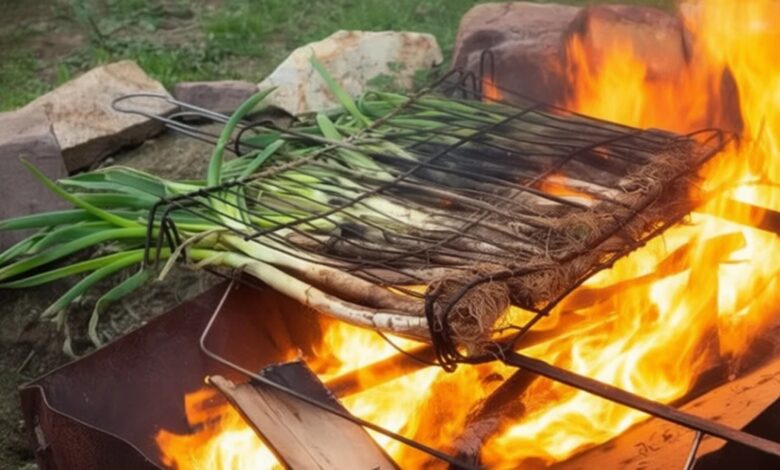
The calçots season is once again in the spotlight, and this event is no longer limited to Catalonia. In recent years, these tender, elongated onions have sparked conversations across Spain. Their popularity has spread far beyond regional borders, fueling a wave of interest and even debates among lovers of national cuisine. For many Spaniards, calçots are more than just a seasonal product—they are a symbol of gastronomic identity, bringing families and groups of friends together at the same table.
The significance of this product for Spanish gastronomy is hard to overstate. On one hand, calçots are part of Catalonia’s cultural heritage; on the other, their widespread popularity throughout the country raises questions about preserving traditions and maintaining quality. This year, the season got off to an especially energetic start: farmers report a surge in demand, and restaurants are competing to offer the best calçotadas. At the same time, experts are debating how well modern cultivation methods align with historical standards.
Tradition and innovation
Calçots are a special variety of white onion (Allium Cepa L.) grown using a unique technique. The process involves repeatedly covering the plant with soil as it grows, encouraging the bulb to stretch as it seeks light. This process, called ‘calçar’, gives the product its name. The result is a long, white, and juicy stem, highly prized by gourmets. In the Valls region, calçots are protected by a geographical indication, which ensures strict standards are followed—from the seed variety to the size and method of serving.
However, as calçots have grown in popularity, new approaches to cultivation have emerged. Some producers are experimenting with varieties and growing conditions to increase yields and meet rising demand. This has sparked concerns among traditionalists, who fear that mass production could compromise the unique taste and texture. At the same time, these new methods are making calçots available in other regions, helping to promote Catalan cuisine.
The calçotada ritual
The main feature of calçots is not only their flavor but also the way they are eaten. A traditional calçotada is more than just a meal—it’s a real event that brings people together. The onions are roasted over an open fire until their outer layers are charred, then served with a thick salvitxada or romesco sauce. Guests put on special aprons to avoid getting dirty and happily peel off the charred skins, dipping the calçots in sauce. The second part of the feast usually includes meat and traditional Catalan sausages, and the meal ends with dessert, ranging from oranges to crema catalana.
This ritual has long spread beyond Catalonia. In Madrid, Valencia, and even the south of the country, calçotadas are increasingly organized for both locals and tourists. Such interest in the Catalan tradition sparks mixed reactions: some welcome the gastronomic variety, while others fear a loss of authenticity. Nevertheless, calçots continue to win hearts across Spain, becoming a symbol of unity and celebration.
Taste and benefits
Calçots are prized not only for their unique flavor but also for their nutritional value. These onions are low in calories, rich in potassium and fiber, and contain only a small amount of carbohydrates. However, it’s worth noting that the traditional romesco sauce, made from nuts, bread, olive oil, and spices, significantly increases the caloric content of the dish. Despite this, the calçotada remains one of the most anticipated gastronomic events of the season, bringing together people of all ages and culinary preferences around the table.
Preparing calçots requires a certain skill. It’s important not to be afraid of charring the outer layers: this is what ensures juiciness and tenderness inside. The onions are removed from the fire when they begin to “weep”—that is, release their juice. This approach preserves all the flavor and makes the dish truly festive. In recent years, more and more families and groups of friends have chosen to hold calçotadas outdoors, turning an ordinary meal into a vibrant occasion.
Context and trends
In recent years, interest in regional products and traditional dishes has grown significantly. Similar gastronomic phenomena have been observed in other regions of Spain as well: for instance, the seasonal artichoke festivals in Navarra or the large mushroom-picking celebrations in Catalonia and Castile. Each of these products becomes a reason for gatherings, discussions, and even debates about how best to preserve culinary heritage. In 2025, the discussion on calçots production standards already sparked heated debates between producers and tradition advocates. Against this backdrop, the 2026 calçots season has become not only a gastronomic event but also a cultural milestone reflecting changes in Spanish society.