The results of the latest elections in Aragon have sent shockwaves through the region’s political scene. For the first time in many years, the nationalist party Chunta Aragonesista (CHA) not only broke through its former ceiling but doubled its number of deputies, potentially leading to significant shifts in the balance of power. For local residents, this means new opportunities to have their interests represented in parliament and possibly a fresh perspective on longstanding issues.
Change in parliament
Election night brought an unexpected shift in influence among the main political players. While Partido Popular and PSOE retained a significant portion of the vote, other parties, including Vox, managed to stay afloat, while groups like Podemos, PAR, and Teruel Existe found themselves fighting for survival in a fragmented parliament. The new configuration forces politicians to seek compromises and forge alliances to ensure stable governance in the region.
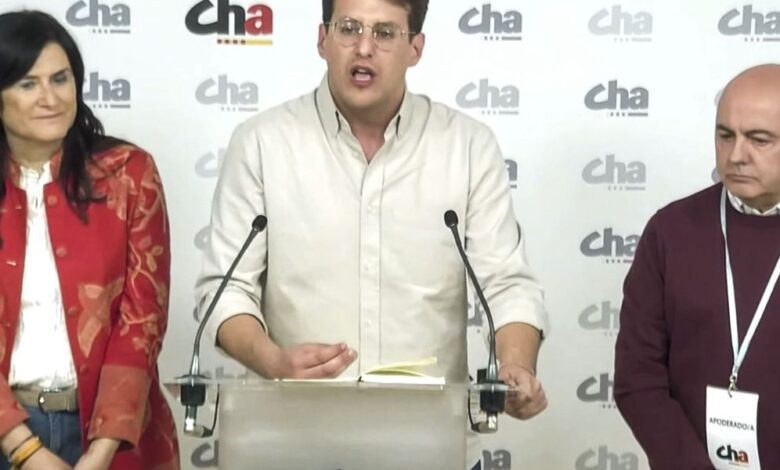
Particular attention was drawn to the dynamics around CHA, which for the first time in many years surpassed its usual three-seat threshold. This outcome not only strengthened the party’s position but also made it a key player in upcoming negotiations. For the first time since 2003, nationalists have secured such substantial representation, which could impact decision-making in the legislative body.
A rising star
One of the main factors behind CHA’s success was the entry of Jorge Pueyo into politics, known in the region as the “Aragonese Broncano” thanks to his interview style and active presence on social media. His arrival breathed new life into the party, which had long remained in the shadow of larger players. Pueyo, a lawyer by training and television host, became a symbol of change and fresh ideas—a crucial point for young people and supporters of preserving regional languages.
Pueyo hails from the small village of Fonz in the province of Huesca, where he showed an early interest in preserving and promoting the Aragonese language. His activity on the internet and television helped draw attention to issues of linguistic diversity and discrimination faced by Aragonese speakers. This made him recognized not only among youth but also among older generations concerned about preserving their cultural heritage.
The battle for leadership
CHA is currently in the process of selecting a candidate for the upcoming Congress elections. Right now, the main contenders are Jorge Pueyo and consultant Miguel Martínez Tomey, but most observers believe that Pueyo will become the face of the party at the national level. His experience in regional television and his ability to engage with diverse audiences make him a strong candidate to advance Aragon’s interests in Madrid.
At the same time, Pueyo continues his work in the media, where he hosts programs in the Aragonese language and invites prominent regional figures to the studio. This approach not only increases the party’s visibility but also helps shape a positive image among voters weary of traditional politics.
Media and politics
In 2019, Pueyo began working on the program ‘Charrín Charrán’ on regional television and later became the host of his own show ‘A escampar la boira.’ The format of the show is reminiscent of popular Spanish late-night programs, featuring discussions on current topics with guest speakers. Thanks to this project, as well as his active presence on social media, Pueyo earned the nickname ‘Aragonese Broncano,’ after the renowned TV host David Broncano.
His studio has welcomed well-known personalities such as Fernando Esteso, Luis Larrodera, Luz Gabás, and Thais Villas. This format has not only drawn attention to regional issues but also made the Aragonese language more accessible to a wider audience.
Connection to previous events
In light of recent political shifts in Spain, it is worth recalling the recent large-scale scandal that unfolded in Catalonia around the Rodalies transport system. Following a serious accident and service shutdown, the opposition demanded resignations, while Carles Puigdemont called for mass protests. The authorities found themselves under pressure, and the situation sparked fierce debates. More about the development of this crisis can be found in the RUSSPAIN.COM report, which examines in detail the causes and consequences of the region’s transport collapse, as well as the response of politicians and the public.
Context and trends
In recent years, Spain has increasingly become a stage for unexpected political changes, as new faces and regional movements take center stage. The appearance of media figures in politics, as was the case with Puello, reflects society’s growing demand for renewal and transparency. Similar processes have occurred in other regions of the country, where the success of independent candidates or small parties has led to a reevaluation of traditional alliances and strategies. Amid the growing fragmentation of the political landscape, such events are becoming ever more significant for the country’s future.