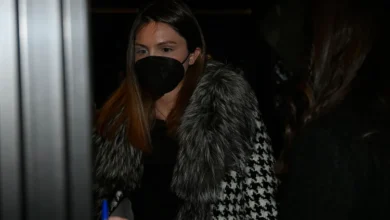
Catalonia is once again embroiled in a debate over religious symbols and women’s rights. The controversy was sparked by the Archbishop of Tarragona’s refusal to endorse a direct ban on the burqa. His stance stirred widespread discussion, as the issue touches not only on religious freedoms but also on attitudes toward tradition in modern Spain. According to El Pais, the debate intensified after a recent initiative by the VOX party, which failed to gain majority support in parliament.
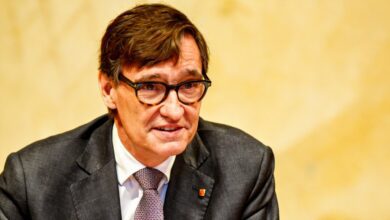
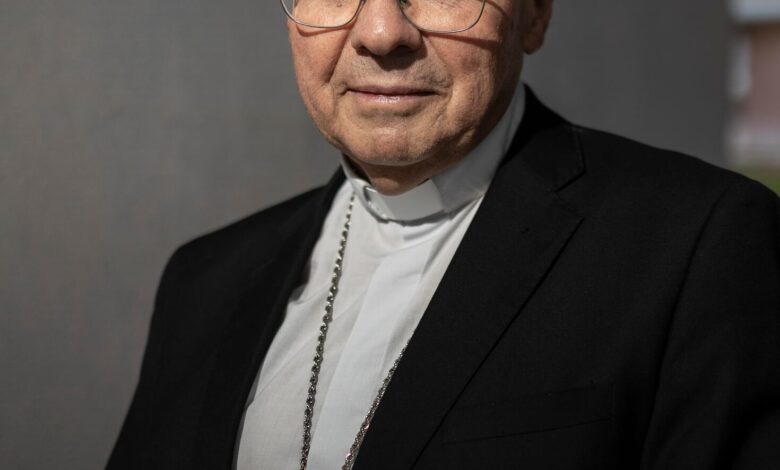
The Archbishop of Tarragona, Joan Planellas, stated on Aquí Catalunya on SER Catalunya that he does not believe imposing a direct ban on the burqa is the right approach. He stressed that such decisions require thorough discussion and educational efforts, as this is a delicate balance between freedom of religion and the protection of women’s dignity. In his view, simple prohibitions could have unpredictable consequences and increase tensions within society.
The issue of a burqa ban returned to the spotlight after VOX proposed a corresponding draft law. Although some parties supported the measure, the initiative did not pass. Junts, while agreeing that regulation is necessary, presented their own version with exceptions. This situation has highlighted how diverse opinions are regarding religious symbols and how difficult it is to find common ground between different perspectives.
Religious literacy
At the same time, Catalonia is launching a pilot project to introduce classes on religious culture in state schools. Starting from the 2026-2027 academic year, 24 schools in the region will begin teaching this new subject. According to El Pais, authorities believe such measures will help overcome the lack of knowledge about the basics of religion and traditions observed among high school graduates.
Recent studies show that a significant part of Catalonia’s population cannot name the head of the Catholic Church or explain the meaning of Christmas. Joan Planellas noted that the church’s goal is not to make religious studies compulsory again, but to offer the chance to understand the cultural roots and symbols that have shaped European society. He pointed out that many people cannot explain the meaning of most works of art in museums if they lack religious context.
The archbishop emphasized the importance of providing a choice: those interested can study Catholicism, Islam, or Evangelical Christianity, while others will receive basic knowledge about religious traditions. Currently, only 15% of students opt for religion classes, and the authorities hope the new subject will help change this situation.
The Pope’s visit and new traditions
Another major topic for Catalonia is the upcoming visit of the Pope. According to El Pais, the president of the Tarraconense Bishops’ Conference announced that León XIV will visit Barcelona on June 9 and 10. On the first day, a large-scale event for believers is scheduled, but the location has not yet been decided. This is because Sagrada Familia has limited capacity, and organizers want to allow more people to take part.
The following day, on the anniversary of architect Antoni Gaudí’s death, there will be a blessing of the Jesús tower and a special ceremony at the Sagrada Familia. These events will be part of a broader program aimed at strengthening religious traditions and the region’s cultural identity.
Catalan authorities hope the Pope’s visit and new educational initiatives will help reduce religious illiteracy and foster mutual understanding among different groups in society. Meanwhile, ongoing debates over the burqa and other religious symbols show that the public has yet to reach a consensus on these issues.
Context and similar events
In recent years, Spain has repeatedly debated the presence of religious symbols in public spaces. In 2024, bans on the burqa and other types of religious clothing were also discussed in Madrid and Valencia, but none of the proposed laws were adopted. Some regions of the country are already running pilot projects on teaching religious culture in schools, sparking both interest and debate among parents and educators. Papal visits traditionally become major events for the entire country, drawing attention to issues of faith and cultural heritage. Such initiatives often prompt discussions about the role of religion in contemporary society and the search for new forms of dialogue between various communities.