A new debate is stirring in Spanish political circles over who will be the face of the left-wing bloc in the upcoming elections. Despite Yolanda Díaz’s active presence in public life, her potential leadership of the Sumar coalition remains uncertain. Within the alliance, there is still no clarity on the name, the composition, or the main candidate. All this creates an atmosphere of uncertainty, fueling interest in the future formation of the left front.
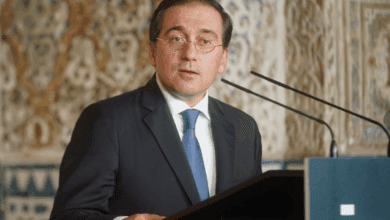
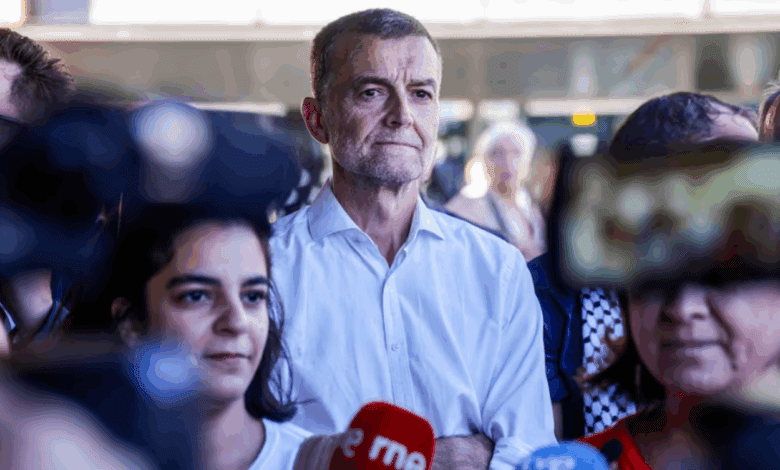
At a recent forum in Sevilla, Izquierda Unida coordinator Antonio Maíllo made it clear that the priority for the left is not the name of the leader, but the creation of a unified political project. According to him, agreeing on a common strategy is far more important right now than debating individual personalities. In recent months, left-wing parties have come together around mass rallies—from protests against the war in the Middle East to demonstrations for better healthcare and tackling the aftermath of natural disasters.
Maíllo emphasized that no decisions have been made regarding candidates, and political organizations remain under close public scrutiny. He also did not rule out his own participation in the electoral race, noting that sometimes circumstances lead to unexpected turns. However, his priority remains working for the benefit of society wherever it is most effective.
Left Unity: New Challenges and Old Disagreements
According to Maíllo, the question of whether Podemos will be part of the future coalition is no longer as relevant. He believes that the current stage calls for uniting the efforts of everyone willing to support a common course. He also admitted that he hasn’t spoken to Pablo Iglesias, one of the founders of Podemos, in a long time—a sign of the shifting balance of power on the left flank.
Izquierda Unida takes pride in its participation in government alongside the Socialists, seeing it as a vital barrier against conservative trends. At the same time, the party makes no secret of its ambition to join the future progressive cabinet in Andalucía after the 2026 regional elections. According to Maíllo, the region needs a change of government to safeguard the public service system and prevent the Partido Popular from winning a third consecutive term.
A look ahead: who will take the lead?
While Yolanda Díaz has made no official statements about her plans and internal debates continue within Sumar, suspense over who will lead the bloc remains high. Behind the scenes, unexpected decisions aren’t ruled out—politics often has surprises in store. The event in Seville was attended by representatives of civil organizations, including women’s cancer associations, underscoring the strong social focus of the left-wing movement.
In the coming months, Spain’s left-wing forces will seek to strike a balance between unity and diversity of opinions. The choice of who leads the coalition will determine not just electoral success, but the future of the entire progressive agenda in the country. For now, all that remains is to watch how events unfold and see who ultimately emerges as the new face of the left bloc.