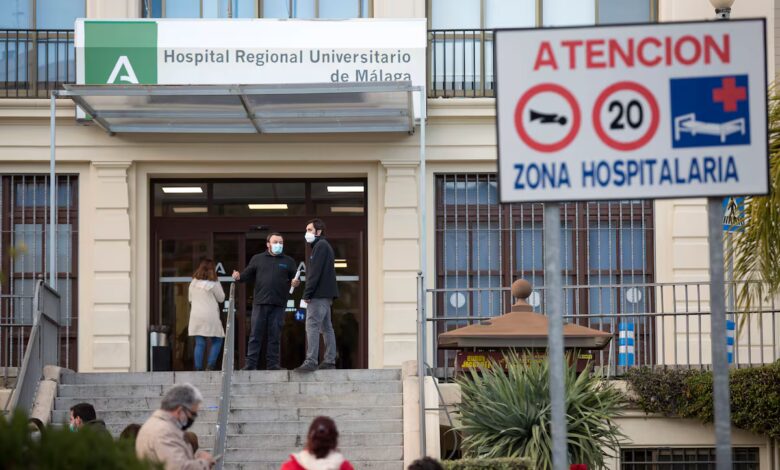
The largest medical facility in Málaga has been facing a serious backlog in biopsy processing since August. More than 5,400 samples have piled up in the pathology lab, still awaiting analysis. As a result, patients are forced to wait up to a month and a half or even two months for their results, a delay that is worrying healthcare staff and could impact the timely delivery of diagnoses.
The problem arose amid an overall increase in the number of biopsies—up nearly a third compared to last year. Doctors report that thousands of tissue blocks are being stored in the hospital’s freezers, including both diagnostic samples and surgical materials, as well as cytological studies. For many patients, the delay brings uncertainty and could mean a setback in starting treatment.
Hospital management has attempted to address the situation by expanding the team: five new specialists recently joined the staff. However, even with these measures, the number of unexamined samples has not dropped below 4,000. Doctors have to work double shifts just to keep up with the demand, but that hasn’t been enough to clear the backlog.
The situation is further complicated by the fact that staff in the pathology department must process samples not only for their own hospital, but also for other healthcare centers in the region. This is due to inefficiencies in the centralized management system, adding to the workload for hospital personnel.
Intervention by regional authorities has yet to yield tangible results. Due to a 9.9% cut in the healthcare budget, the hospital is unable to hire enough specialists. Despite management’s promises to increase staff and fully restore the department’s operations, both doctors and patients continue to face delays.
Staff shortages and overloaded labs have affected not only Malaga’s main hospital but other medical facilities in the city as well. Regional authorities have announced plans to secure jobs and expand department operations, but the medical community remains cautious—especially with regional elections approaching.
As the situation remains unresolved, patients and their families are forced to wait longer than usual for test results, while doctors continue working under extreme strain to minimize the health impact caused by these delays.