A new symbol of natural heritage has emerged in Spain—the Sabinar de Las Blancas forest in the province of Valencia. Its recognition as the country’s best forest in 2026 is more than just a formal title; it marks an important milestone for the whole nation. This decision highlights how crucial the preservation of rare ecosystems and regional history is for Spaniards. Winning the national contest could boost tourism and draw attention to the challenges faced by sparsely populated areas.
A Forest Among the Stones
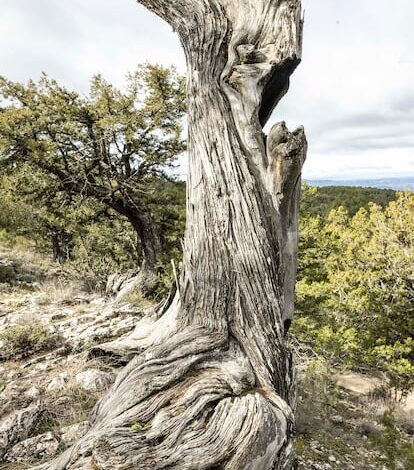
Sabinar de Las Blancas is located in the Puebla de San Miguel Natural Park, at the heart of Rincón de Ademuz. Here, at 1,500 meters above sea level, among rocks and thin soil, grow ancient juniper trees—hardy survivors that withstand fierce winds, cold, and drought. The most famous tree, nearly a thousand years old, soars above the rest like a guardian of this unique landscape. Flocks of sheep often rest in its shade, while the surrounding pastures help maintain a balance among the plants, preventing other species from displacing the junipers.
Locals call this tree ‘the juniper of a thousand sheep.’ Its story is now part of educational programs for children who come here to learn about the forest and its role in the ecosystem. As El Pais reports, it was precisely these vital connections between people and nature that determined the contest winner.
Voting and Significance
In 2026, more than 12,000 people voted for Sabinar de Las Blancas. The competition, organized with the support of the Ministry for the Ecological Transition, does not judge a forest solely by its beauty or age. The main focus is its story, cultural significance, and the role it plays in the lives of local residents. The runner-up was Cornetal del Barranco del Perú forest in Andalusia, which received just over 10,000 votes.
Other unique forests were also recognized this year: the urban forest of Las Regueras in Asturias, and the famous Linden and La Tila in the schoolyard of El Arenal. Each of these sites showcases different aspects of Spain’s nature and traditions. But it was Sabinar de Las Blancas that emerged as a symbol of resilience and environmental stewardship.
People and nature
The preservation of this forest is largely due to the region’s low population density and limited human impact. The road to Puebla de San Miguel appeared only in the middle of the last century, and internet access and modern communications still remain a challenge. Local residents and conservation experts believe it was this isolation that helped maintain the forest’s unique character.
Biologists and foresters have played a special role in studying and protecting the sabinas. One of them, Jesús Monedero, dedicated most of his life to researching these trees. Thanks to his efforts, many sabinas have been designated as natural monuments and are now protected by law. The forest contains 17 particularly valuable trees that are included in the official catalog of the Valencian Community.
Challenges and the future
The Sabina trees in this region are notable for their impressive size: their trunks can reach nearly two meters in diameter and grow up to 12 meters tall. Their shape and density are a result of traditional livestock farming, which for centuries maintained ecological balance. However, the disappearance of pastures and the decline in livestock numbers are now posing new threats. The forest is gradually becoming overgrown with other species, which could change its appearance and reduce the Sabina population.
The main risks to the forest include wildfires, climate change, and the declining number of herbivores. Environmentalists warn that without support for traditional management methods and new protective measures, this unique forest could face serious challenges. The region is also home to the highest point of the Valencian Community—Alto de Barracas peak—making this area especially important for science and tourism.
In recent years, Spain has increasingly celebrated forests and trees not only for their beauty but also for their deep connection to local communities. For example, in 2025, a forest in Galicia restored after wildfires was recognized, and in Catalonia, an oak grove where traditional festivals are held received distinction. Such initiatives help preserve natural and cultural heritage, draw attention to the issues facing small towns, and highlight the need to support them.