The annual TV competition to determine the most picturesque spot in the autonomous community of Castilla-La Mancha is once again shining the spotlight on the province of Ciudad Real. In 2025, the stakes are higher than ever—not only a prestigious title, but also the unique honor of hosting Spain’s iconic New Year’s Eve chimes broadcast. Three completely different, yet equally charming towns have entered a fierce contest, rallying their residents to showcase their unique history, distinctive gastronomy, and breathtaking natural beauty. Each is eager to prove why they deserve to become Spain’s main stage for holiday celebrations.
First on the list of contenders is Membrilla, proudly known as the “Melon Capital” for its agricultural traditions. This small town is a true gem for lovers of medieval history and architecture. Its main highlight is the parish church of Santiago el Mayor, built in the rare flamboyant Gothic style. Its only—but incredibly spacious—nave, ornately decorated portals, and a tall tower topped with a slate spire leave a lasting impression on every visitor. In addition, Membrilla carefully preserves other treasures, such as the chapel of Virgen del Espino, erected on the site of an ancient fortification, and the meticulously restored Resuelo watermill, which serves as a living reminder of the region’s former economic way of life. The charm of this town is enhanced by stretches of the world-famous Don Quixote route that cross its lands.
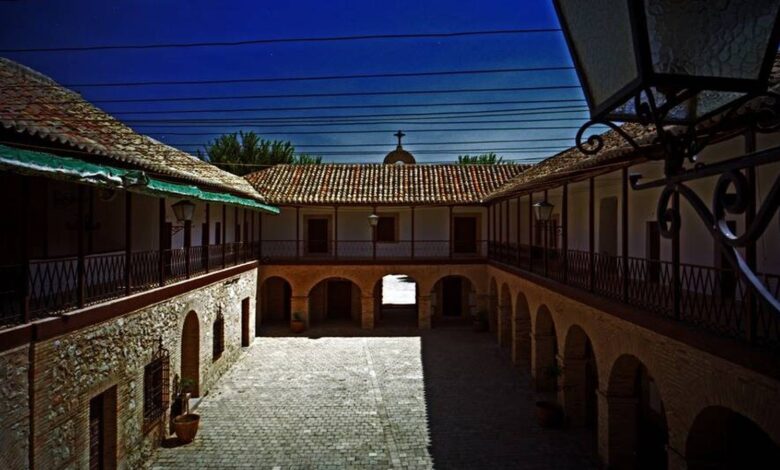
Further west, in the fertile Alcudia Valley, lies Guadalmes. This is a place where history hangs palpably in the air, with countless civilizations having left their mark here—from Bronze Age tribes to the Romans, Visigoths, and Arabs. The townscape astonishes with its originality and authenticity. Your eye is instantly drawn to the old houses with unusual truncated-pyramid chimneys, painted home entrances (saguanes) adorned with scenes from folk life, and traditional shepherd huts scattered throughout the picturesque surroundings. Guadalmes is truly an open-air living museum, where cultures, traditions, and eras have blended seamlessly, creating a unique atmosphere.
The third contender is Daimiel, a town whose name is inseparably linked with one of Spain’s most unique and ecologically significant natural sites: the Tablas de Daimiel National Park. This wetland reserve, formed at the confluence of the Guadiana and Cigüela rivers, is a true paradise for birdwatchers and nature enthusiasts from across Europe. But Daimiel offers more than just its nature. It is home to the important Bronze Age archaeological site Motilla del Azuer, as well as remarkable examples of religious architecture, among which the Santa María la Mayor Church stands out. Together, Daimiel, Membrilla, and Guadalmez showcase the full diversity and richness of the Ciudad Real province. Each of them has plenty of strong arguments for winning, and all undeniably deserve to be discovered by travelers in search of authentic, off-the-beaten-path Spain.