In Madrid, the spring of 2026 brings not only changes in the weather but also new attractions for the city’s residents. The opening of unique venues in popular neighborhoods is influencing the dining habits and leisure plans of many Spaniards. New restaurant and bar concepts are sparking discussion and changing the idea of how to spend an evening in the metropolis.
According to El Pais, three locations have become the center of attention this season: Nolita restaurant on Ponzano street, the music bar Fenómeno in the Recoletos area, and the Maritta pastry shop, which introduced an original dessert. Each of these projects offers something different from traditional venues, as is evident from the reviews and the lines at the entrance.
Bar on Ponzano
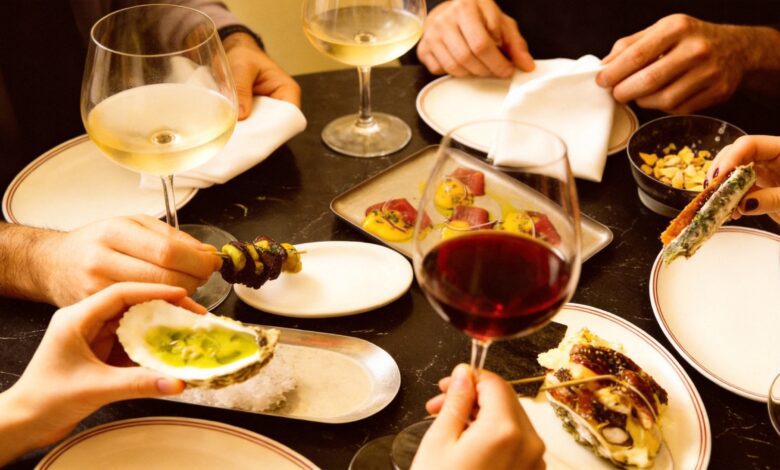
Nolita restaurant (calle de Ponzano, 11) is inspired by the atmosphere of New York’s Nolita district, known for blending styles and leisure formats. In Madrid, this project stands out for its focus on casual cuisine and socializing at the bar. The menu centers around sharing plates: here you’ll find Spain’s popular Russian salad, gildas, cannelloni, and a signature burger that has quickly become a guest favorite.
The wine list and light snacks add to the experience, with the average check coming to 45–50 euros per person. The space is designed to make it easy for guests to interact and share dishes. According to RUSSPAIN.COM, this type of concept is increasingly popular with city dwellers who value quality and an informal atmosphere.
Music and vinyl
In the Recoletos district, at Recoletos Street 13, the Fenómeno bar has opened its doors, immediately catching the attention of music lovers. The venue introduces a hi-fi concept: music is the centerpiece of the evening, delivered through professional sound systems for vinyl records. The format takes inspiration from Japanese jazz kissa bars, where guests come not only for drinks but also for a unique musical experience.
At Fenómeno, DJs play exclusively on vinyl, and the 400-square-meter space features two DJ booths, several bars, and lounge areas. The menu offers signature and classic cocktails, along with a short list of snacks: Iberian torreznos, croquettes, steak tartare, and tuna toast. The bar is open daily from 5:00 p.m. to 4:00 a.m., making it a convenient spot for evening outings.
The emergence of such venues reflects a growing interest in high-quality sound and spaces where music is more than just background—it becomes a full part of the leisure experience. As El Pais notes, these spots are shaping new habits among city residents and attracting people from different generations.
Gluten-free dessert
The Maritta pastry shop (Calle de las Naciones, 5) in the Salamanca district has introduced a new version of its signature cheesecake. The classic recipe now features Belgian chocolate ganache, adding a rich flavor and unique texture to the dessert. The base still consists of pasteurized eggs, sugar, cream, and Galician cream cheese, while the absence of flour and no crust make the cake suitable for a gluten-free diet.
For the new version, the Maritta team uses a blend of dark and milk Belgian chocolate, which is added to the batter before baking. According to the project manager, the goal was to maintain a balance between the flavors of cheese and chocolate. Each day, around 300 cakes of various flavors are produced here, including pistachio, caramel, white chocolate, and nuts. Orders are accepted until 8:00 p.m. the day before, and cake sizes can be adjusted based on customer preferences.
Context and trends
In recent years, Madrid has been actively updating its gastronomic and cultural map, offering residents new leisure formats. The emergence of bars with unique concepts and signature pastry shops reflects the demand for original experiences and quality service. New venues regularly open in the capital and quickly gain popularity thanks to their unusual menus or unique atmosphere. For instance, the recent major expansion of the city’s transport system, discussed in our coverage about the construction of the new metro, is also impacting accessibility of new districts and driving interest in them — learn more in the analysis of transport changes in Madrid. These processes contribute to the development of the urban environment and shape new habits among city residents.
In 2025–2026, Spain is seeing a rise in venues focused on unique experiences, from themed bars to patisseries offering signature recipes. This trend reflects changing audience demands, with people seeking not just quality but also new emotions. As a result, Madrid is emerging as one of the leading cities for innovative projects in leisure and gastronomy.