The incident in Molina de Segura has once again reminded Spain’s residents of the risks associated with sudden changes in river water levels. As weather anomalies become more frequent, such events take on particular significance for public safety and the work of emergency services. The search and rescue operation that unfolded overnight on a busy stretch of the Segura River highlighted just how challenging these tasks can be, even for experienced professionals.
During the previous night, at around half past four in the morning, a distress call was received on the emergency services hotline: eyewitnesses reported someone falling into the raging waters of the Segura near La Hoya Park, opposite the Museo Mudem. Local police patrols, fire crews, and the Civil Guard units arrived at the scene within minutes. The situation was complicated by a noticeable rise in the river’s water level over the preceding hours, making access to the banks difficult and the search especially dangerous.
Search operation
From the very start, rescuers understood that every minute counted. Search teams were deployed along both sides of the river, thoroughly scanning the shoreline despite strong currents and limited visibility. The operation involved not only local emergency services but also additional forces from neighboring municipalities—Alguazas, Las Torres de Cotillas, Alcantarilla, and Murcia. All of them stood ready to join the search if it became necessary to expand the investigation area.
Firefighters and rescuers worked under conditions where every step could be dangerous due to flooding and the instability of the riverbank. The water, which had risen overnight, hid hazardous spots beneath the surface, and the swift current left no room for complacency. Despite their best efforts, hopes for a positive outcome dwindled with each passing minute.
Body discovered
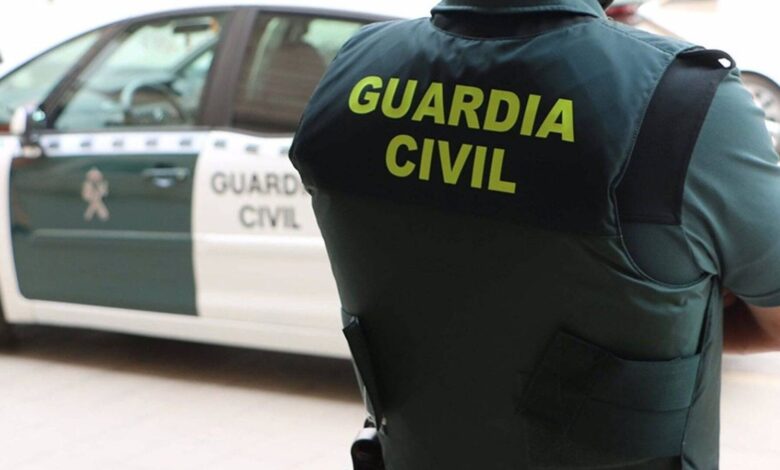
Just over an hour after the search began, at around 5:40 a.m., confirmation arrived: the man’s body had been found. A coordinated team was on site—firefighters, police, and Civil Guard officers. Despite their swift response and professionalism, they were unable to save the man. The reasons for his fall into the water remain unclear, and investigators are still working to establish the circumstances.
In such situations, emergency services operate according to established protocols, yet even the most advanced methods cannot always prevent tragedy. This time, the force of nature proved stronger than human efforts, and the sudden rise in water level became the decisive factor.
Coordination between services
Special attention during the operation was given to coordination among various units. The effort involved not only local forces but also additional resources from other cities in the region. This made it possible to organize the search as swiftly as possible and to inspect a significant stretch of the river. In such cases, every minute counts, and the teamwork of rescuers often proves decisive.
Alongside the main search operations, emergency services maintained communication with relatives and witnesses in order to clarify details and not miss any crucial leads. In situations like these, the human factor is just as important as technical equipment.
In recent years, Spain has seen a rise in incidents where sudden floods and abrupt weather changes have led to tragedies on the water. One recalls a recent incident in Andalucía, where a man’s body was found under a bridge after heavy rain. Similar cases have been recorded in other regions of the country, prompting emergency response teams to continually improve their methods. Given the changing climate and unstable hydrological conditions, such events are becoming increasingly relevant for Spanish society.