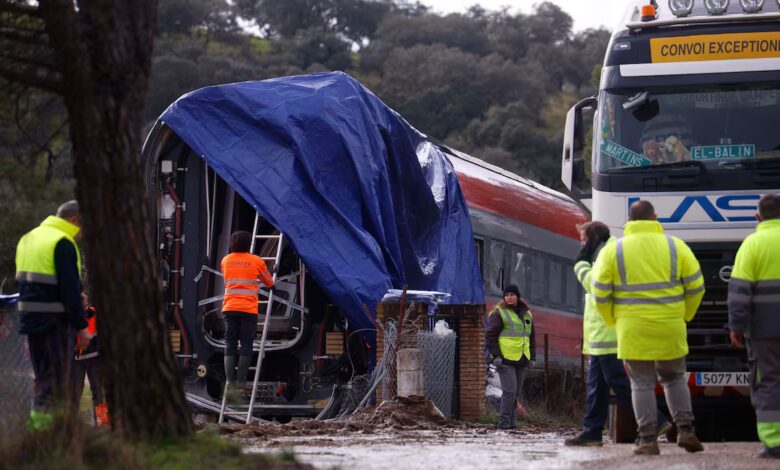
Spain has always taken pride in its high-speed trains, considering them a symbol of technological progress and national achievement. But the recent disaster near Adamuz has overturned familiar assumptions: 46 dead, dozens of unanswered questions, and a country in shock. Suddenly, beneath the flawless appearance of the system, unsettling problems have come to light—issues that many preferred not to discuss openly.
While officials insist that the railway network remains one of the safest in Europe, infrastructure, materials, and operations experts are less optimistic. They point out that every year the load on tracks and equipment continues to grow, while investment in maintaining and upgrading the infrastructure does not always meet actual needs. As a result, even minor failures can have tragic consequences.
Hidden dangers
In recent years, the number of trains on key routes has multiplied, increasing the risks as well. Engineers and train drivers familiar with the system describe situations where minor faults went undetected or were fixed as a low priority. With passenger traffic rising and less time for technical maintenance, even a small mistake can lead to disaster.
A particular concern is that recommendations from specialized accident investigation commissions are often implemented only partially. Some remain on paper for years, with real changes postponed due to bureaucracy or lack of funding. As a result, a system meant to set the standard for safety becomes vulnerable to new challenges.
The cost of saving
Experts stress that cutting back on prevention and modernization may lead to far greater losses than any investment in maintaining standards. In recent years, even as the number of flights and passengers has grown, spending on infrastructure maintenance has not always increased proportionally. This creates a dangerous illusion of stability, when in reality the system is operating at its limits.
Engine drivers and technical staff note that many accidents could have been avoided if warning signs of malfunctions were addressed promptly. However, amid constant haste and pressure from management, speed and the number of passengers transported are often prioritized over quality and safety.
Response and consequences
Following the tragedy near Adamus, a heated debate erupted in society: who is to blame and what should be done next? Some are calling for an immediate increase in funding for maintenance and modernization, while others insist on stricter oversight of the implementation of investigative commission recommendations. The authorities have promised to review their approach to managing the railway network, but so far, no concrete decisions have been made.
Meanwhile, passengers and their families continue to wonder: can we trust a system that positions itself as one of the most advanced in the world, yet allows such tragedies to happen? There is still no answer. One thing is clear: the disaster near Adamus has become a wake-up call for the entire country and a reason to reflect on the true cost of technological progress.