Residents of Catalonia faced yet another transport disruption as train service on the R3 line was completely halted due to a sudden rockfall. The incident affected the section between Sant Martí Centelles and Figaró, causing significant inconvenience for passengers and disrupting the usual travel routine across the region. Emergency measures were implemented to minimize the impact and ensure at least partial mobility.
Emergency measures
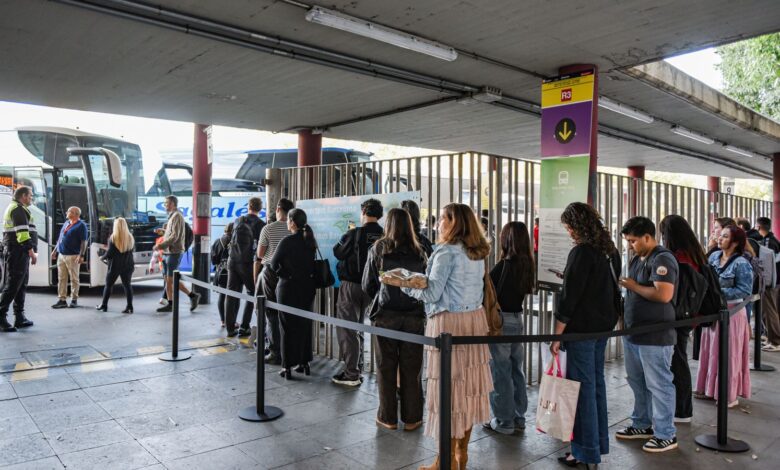
Immediately after the incident, Renfe set up an alternative bus route connecting La Garriga and Ripoll. This measure helped partially compensate for the lack of rail service, though travel times increased and seat availability was limited. According to El Confidencial, the decision to launch the buses was made swiftly to ease the burden on stranded passengers.
The situation was further complicated by the fact that, on the morning of the incident, the section between Sant Martí Centelles and Figaró had just reopened after prolonged repairs. Prior to this, service had been restricted due to earlier restoration work following a railway accident in Gelida on January 20. Despite the partial resumption, trains were running at only half their usual frequency.
Impact on passengers
The forced switch to buses came as a surprise to many residents and visitors in the region. During peak hours, queues formed at stops, and the schedules were disrupted. Some passengers noted that getting to their destination became more difficult, with travel times almost doubling. The introduction of temporary bus routes could not fully compensate for the loss of rail service, especially for those who rely on this route daily to commute to work or school.
As El Confidencial notes, such disruptions on the Rodalies network are becoming increasingly frequent, fueling public dissatisfaction. Regional authorities and transport companies are now forced to seek new solutions to strengthen infrastructure resilience and prevent such incidents in the future.
Background and recent developments
The collapse on the R3 line is the latest episode in a series of transport issues that have affected Catalonia in recent months. After the accident in Gelida and the subsequent repairs, locals have become accustomed to temporary restrictions and altered routes. However, new incidents such as today’s collapse again raise questions about the reliability of the railway network.
According to russpain.com, in recent years the Rodalies infrastructure has faced serious challenges due to weather conditions, wear and tear, and insufficient funding. In 2025, similar disruptions were reported on other sections of the network, when landslides and technical failures led to the temporary closure of entire lines. Each such incident increases the strain on alternative transport options and requires quick action from transport operators.
Recalling recent events, it’s worth noting that last year, after heavy rains in the Vic area, landslides also occurred, forcing a complete halt to train services for several days. Then, as now, passengers were transferred to buses and restoring normal operations took over a week. These cases highlight the need to upgrade rail infrastructure and implement preventive measures to avoid similar incidents in the future.