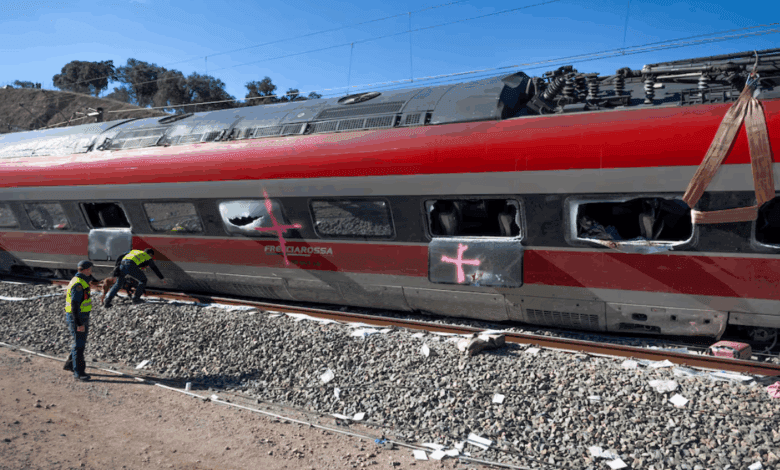
Hundreds of thousands of Catalonia residents found themselves trapped in a transport standstill this morning: twice in a short period, all suburban and regional train traffic came to a complete halt. For Spaniards who rely on railway services daily, this is more than just an inconvenience—it’s a matter of trust in infrastructure that is supposed to provide stability and safety. Unexpected failures at the operations control center at França station (Estació de França) have cast doubt on the reliability of the entire system and sparked a wave of questions about the causes and consequences of what happened.
The first reports of issues emerged immediately after train services resumed at the start of the week. At 6:45 a.m., just as Rodalies restarted operations following a prolonged crisis, the operations control system abruptly failed. An hour later, traffic was restored, but soon the problem reoccurred: trains came to a halt again, leaving passengers waiting on platforms for answers. For many, this felt like an extension of a string of setbacks, since train services had already been interrupted several times the previous week.
Versions and Investigation
Catalan authorities and rail infrastructure representatives were slow to make official statements, but the Minister of Transport immediately highlighted one key theory—a possible cyberattack. According to him, such rapid and recurring software failures cannot be coincidental. Nevertheless, officials emphasize that it is too early to draw conclusions, as the investigation has just begun, and premature statements could only increase public anxiety.
At Adif’s (Administrador de Infraestructuras Ferroviarias) control center at França station, they admit the cause of the failure is still unclear. According to the communications director, after the first outage the system was restored, but then it failed again. As a precaution, all signals were switched to full stop mode—in railway terms, this means traffic is halted until the situation is clarified. Experts note that such incidents are extremely rare, and the only comparisons are isolated events in previous years, such as when cable theft caused signal failures.
Technical vulnerabilities
Railway workers and transport experts have long warned about the risks associated with relying on a single control center. According to specialists, this center is responsible for operating all signals and switches on the Rodalies lines. If the software fails, trains become immobilized and traffic is completely paralyzed. In the past, the need to create a backup system—similar to those used in metro networks or other lines—has already been discussed. However, it turns out that even if such a solution exists, activating it requires time and moving personnel to another station, which in an emergency can cause additional delays.
The backup control system is located at Sants station, and if the main center fails completely, staff must physically go there to restore operations. This time, backup activation was not required, but the lack of instant switching raises concerns among experts and passengers. Without reliable safety systems and alternative control channels, the rail network remains vulnerable to technical failures and potential external threats.
Consequences for passengers
For residents of Catalonia who use Rodalies daily, today’s events dealt yet another blow to confidence in the transport system. The situation was particularly difficult for those counting on a return to the normal schedule after a series of disruptions last week. This time, line R3 never resumed service, while other routes operated with interruptions and replacement buses. Many passengers were forced to seek alternative ways to get to work or school, and social networks filled with complaints and demands for explanations from authorities.
Train drivers and railway staff note that malfunctions at the control center occur more often than officially acknowledged. According to them, such incidents are not isolated, and the problem requires a systemic solution. In a situation where hundreds of thousands use the trains every day, even a brief stoppage leads to significant consequences for the region’s economy and social life.
Safety Concerns
Experts stress that a control center malfunction is not only an issue of convenience but also of safety. When the system stops working, it becomes impossible to guarantee the proper functioning of signals and traffic lights, making train movement potentially dangerous. That’s why, in such situations, all signals are automatically switched to a complete stop mode to eliminate the risk of accidents and collisions.
The investigation into the cause of the failure is ongoing, and it is still unclear whether it was the result of a technical error, outdated equipment, or indeed external interference. For Catalonia’s transport system, this incident served as a wake-up call: without modernization and the implementation of advanced safety systems, similar situations could happen again at any time. While awaiting the outcome of the investigation, passengers and experts continue to discuss how to prevent future disruptions and restore confidence in railway transport.