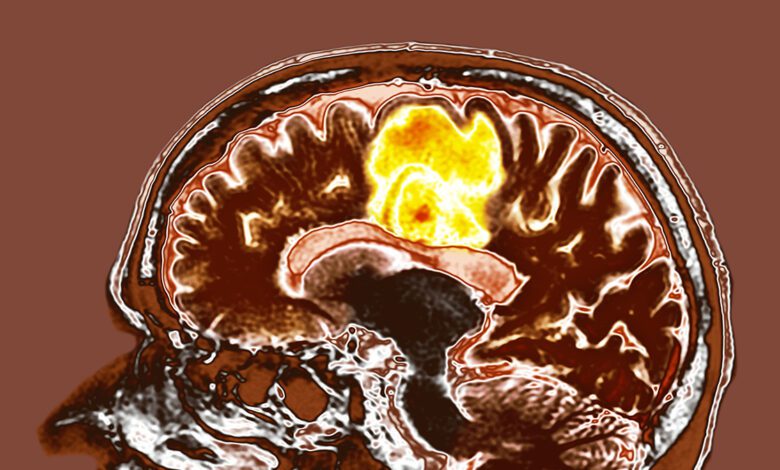
Glioblastoma is one of the most aggressive and hard-to-treat brain tumors. Despite advances in therapy, the prognosis for patients with this diagnosis remains extremely poor. However, new clinical trial data from India offer hope for new treatment strategies. The focus is on the combination of two accessible nutraceuticals: resveratrol and copper.
In the experiment, ten patients who were about to undergo surgical removal of their tumors received a course of tablets containing both substances. For comparison, another ten patients with the same diagnosis underwent standard preoperative preparation without any additional supplements. After surgery, researchers carefully examined tumor tissue samples from both groups.
Initial results
Scientists noted that patients taking resveratrol and copper experienced a reduction in the protein associated with cancer cell growth by nearly a third compared to the control group. Visually, the tumors remained just as aggressive as those in patients who did not receive the supplements. Nevertheless, biomarker analysis revealed significant cellular-level changes.
Particular attention was drawn to the decrease in proteins capable of suppressing the body’s immune response to the tumor. On average, their levels were 41% lower. Additionally, patients taking the nutraceuticals showed a reduction in three stem cell markers that may contribute to further cancer growth.
Mechanism of action
Researchers attribute the effect to the ability of resveratrol and copper to ‘deactivate’ so-called extracellular chromatin particles—DNA fragments released by dying tumor cells. When these particles enter healthy cells, they damage genetic material and trigger inflammation, making the tumor even more aggressive.
In tissue samples from patients who received the supplements, these dangerous particles were found to be virtually absent. According to the study’s lead author, surgical oncologist Indraneel Mittra, eliminating extracellular chromatin helps ‘calm’ the tumor and reduce its malignancy.
Safety and prospects
No serious side effects from taking resveratrol and copper were observed during the study period. The clinical trial is ongoing: it aims to enroll 66 patients and monitor their condition through regular MRI scans over two years. Only when this phase is completed will it be possible to judge the impact of the supplements on patient survival and quality of life.
The study’s authors emphasize that traditional glioblastoma treatments—surgery, chemotherapy, and radiation—focus on eliminating cancer cells. Yet, after 2,500 years of battling this disease, humanity has failed to achieve a breakthrough. Perhaps it is time to reconsider the approach and focus on ‘healing’ the tumor rather than its complete destruction.
New horizons
Glioblastoma remains one of the most challenging issues in modern medicine. Its resistance to standard treatment methods drives scientists to seek alternative approaches. The use of nutraceuticals, which have minimal side effects and are affordable, could become one such direction.
Although the results are still preliminary, they open up new possibilities for comprehensive brain cancer treatment. In the coming years, data on the long-term effects of such therapy are expected, which will help determine its place in modern oncology.
If you weren’t aware, Indranil Mittra is a renowned surgical oncologist and public health researcher working at Tata Memorial Hospital in Mumbai. His team is focused on finding innovative approaches to treating malignant tumors, with particular attention to the safety and accessibility of new methods for patients. Tata Memorial Hospital is considered one of the leading cancer centers in Asia, treating thousands of patients from around the world every year.