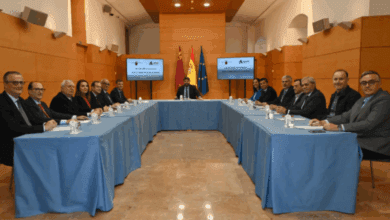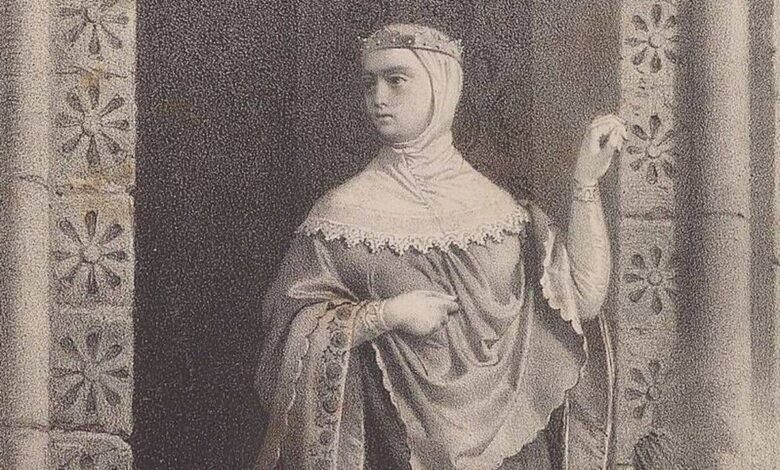
A groundbreaking event is underway in León, poised to change perceptions of female leadership in Spanish history. The city has received the first items for a major exhibition marking the 900th anniversary of the death of Urraca I—the first woman to independently claim the throne of a European kingdom. This is more than just a cultural event: the return of rare artifacts from museums in London, Paris, Chicago, and New York highlights Urraca’s enduring importance for both Spain and Europe.
The exhibition’s organizers aim not only to showcase unique objects but also to challenge entrenched views on women’s roles in medieval politics. According to El confidencial, the exhibit ‘Reina ella. Urraca I de León (1109–1126)’ brings together over 50 artifacts, many of which are returning to León for the first time in centuries. Some have never before been displayed in Spain, making the event especially significant for researchers and the general public.
A historic breakthrough
March marks exactly 900 years since the death of Urraca I, whose rise to the throne was unprecedented in Europe. She became the first woman to rule not by marriage, but by hereditary right—without male support or mediation. For a long time, this fact was downplayed or even distorted by historians, which, as León’s city hall notes, has influenced the perception of female leadership in Spanish society.
The exhibition, organized with the participation of numerous cultural and scientific institutions, restores the memory of the queen and sheds light on little-known aspects of her character. According to the curators, the display offers an unbiased perspective on Urraca I, allowing visitors to appreciate her contribution to the region’s development and understand why her legacy remains the subject of debate among historians.
The Return of the Relics
Special attention is given to items that left León many centuries ago and are now returning home for the first time. These include works of art, documents, and personal belongings associated with the life and reign of Urraca I. Some exhibits have been loaned by leading museums in Europe and the United States, underscoring the international recognition of this exhibition’s significance.
The exhibition will open on March 6 on the first floor of the León Museum. Organizers emphasize that the event was made possible thanks to cooperation with international institutions and the support of local authorities. City officials believe the exhibition will help restore historical justice and return Urraca I to her rightful place in the memory of the people of León and all of Spain.
Rethinking the Past
Many of the items on display have never before been accessible to the general public. This offers a chance not only to learn more about the queen’s life, but also to reflect on the role of women in the nation’s history. According to the organizers, the event can inspire a new generation of researchers and transform attitudes toward female leadership in modern Spain.
In recent years, Spain has seen a growing number of exhibitions dedicated to forgotten or underrated historical figures. For instance, in 2024, Seville hosted an exhibition on the influence of women in the development of Andalusian culture, while Barcelona showcased rare documents about Queen Juana I. Such initiatives generate significant interest and encourage a rethinking of national history, bringing new names and facts to light.